A Sydney Used Car Came Into Our Workshop Fresh Off Its Rego — Here's What the Pre-Sale Inspection Report Actually Said
Rego says it's roadworthy. Our inspection said something different.
Most people think a pink slip means a car is fine. It doesn't. A pink slip — the safety check NSW requires before a vehicle can be registered or re-registered — tells you the car is legal to drive today. It doesn't tell you the brake pads have 2mm left before they're gone. It doesn't tell you the rear tyres are wearing on the inside edge because the alignment is off. It doesn't tell you the transmission fluid looks like it hasn't been touched since the Howard government.
This piece follows one real car through our M&F workshop inspection, from the day it came in to the point it was ready to go on the lot. The car had a current rego. It had passed its pink slip. And the inspection report still came back with eleven findings.
That gap — between "roadworthy" and "ready to sell with confidence" — is what this article is actually about.
The Car
A 2017 Toyota Camry Atara SL, petrol, sedan. Odometer at intake: 91,400 km. Sourced through a private seller in the inner west. On paper, this is a strong buy — it's a mid-spec Camry in a colour that sells, mileage is reasonable for a seven-year-old car, and it came with a full-size spare and both keys.
We pulled the PPSR by its plate number the day it came in. No written-off status, no finance encumbrance recorded, no reported theft. Clean. That check takes five minutes and $2 from the federal government's register at ppsr.gov.au — there's no excuse for skipping it, and any car on our lot will have had it done before anyone sits in the driver's seat.
That said, PPSR and rego are both entry gates. What they filter out is the worst of the worst. What they don't tell you is the condition of every system under the car's skin.
What the Inspection Actually Covers
Our pre-sale inspection runs through four zones: exterior and body, under the hood, underneath the car, and interior and electronics. It's not a conceptual checklist — it's a physical process that takes the better part of a day, and it generates a written report with condition grades and notes against each item.
Here's what that looks like in practice, using the findings from this Camry.
Exterior and body: The car had been detailed before it came to us, which is common from private sellers. Fresh detail can hide surface rust, touch-up paint over stone chips, and filler in panel seams. Our technician went over every panel at an angle in natural light. Findings: a repainted rear bumper (colour-matched but slightly different texture — common after a low-speed hit) and a 30-cent-sized chip in the windscreen that was outside the driver's sightline but large enough to propagate in Sydney heat. Neither of these fails a pink slip. Both of these matter to a buyer.
Under the hood: The engine bay was clean — too clean, wiped down before sale, which we always note because fresh degreasing can mask a weeping gasket. On this car, we found an oil seep from the cam cover gasket, minor but present. We also checked the coolant, brake fluid, and power steering fluid. All three were within spec but the brake fluid had absorbed enough moisture to be close to the service interval. We changed it.
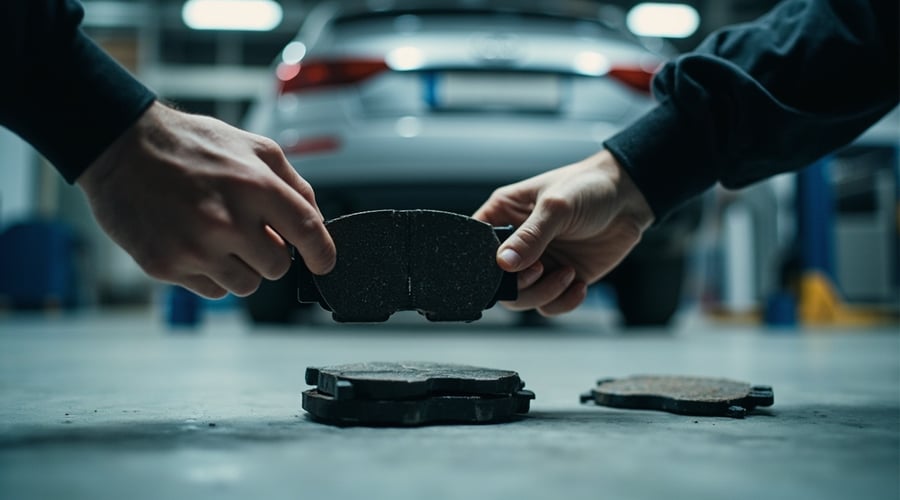
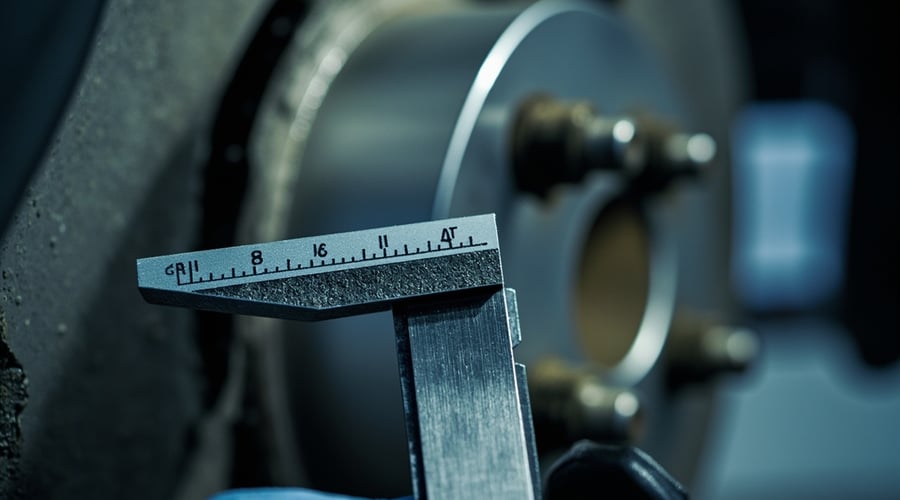
Underneath: This is where rego checks don't go deep enough. A pink slip verifier is checking whether the vehicle is safe to drive. We're checking for anything that will turn into a problem within the next 20,000 km. On this Camry, the rear brake pads were at approximately 3mm — above the legal minimum, so a pink slip passes them. We replaced them anyway. The rear tyres were wearing unevenly on the inside shoulders: a sign of rear suspension geometry drift, which we tracked and adjusted.
The exhaust had a small crack at a mid-pipe joint, not leaking into the cabin but audible at higher RPM if you knew to listen for it. Welded.
Interior and electronics: All seven airbag warning lights cycled correctly. The OBD port was scanned for stored fault codes — the car had one pending code related to an oxygen sensor, not yet active enough to trigger the engine warning light. We cleared it, ran the car through two drive cycles, and monitored. The code did not return. If it had, we'd have replaced the sensor before pricing the car.
The Eleven Findings
To be specific about what came back on the report:
- Repainted rear bumper (panel condition, noted, disclosed)
- Windscreen chip (booked for resin repair before sale)
- Cam cover gasket seep (cleaned, monitored — seep was stable and sealed, not active leak)
- Brake fluid near service interval (replaced)
- Rear brake pads at approximately 3mm (replaced)
- Rear tyre inside edge wear (geometry checked, adjusted)
- Rear tyres approaching replacement threshold (replaced)
- Exhaust mid-pipe crack (welded)
- Pending O2 sensor fault code (monitored, cleared, did not return)
- Power steering fluid slightly discoloured (replaced)
- One cabin air filter clogged (replaced)
Five of these eleven things would not have appeared on a pink slip. None of them were the kind of fault that stops a car from driving. All of them are the kind of thing a buyer notices — or pays for — within the first year of ownership.
The repainted bumper is the one we're most particular about disclosing. It's cosmetic. It doesn't affect how the car drives. But if you're buying a car and a panel has been resprayed after a knock, you should know that before you hand over money, not after.
Why Rego Passing Is Not the Same Thing as Car Passing
This is worth being clear about, because it's a common misconception — including among people who've been buying cars for years.
Under NSW law, an authorised vehicle inspection station (the people who issue pink slips) is checking whether the vehicle meets the minimum roadworthy standard required for registration. The criteria are set out by Transport for NSW and cover things like tyre tread depth above legal minimum, brakes that function, lights that work, structural integrity, steering. The standard is deliberately set at a threshold that keeps dangerous vehicles off the road. It is not a condition report.
A car can have worn pads that aren't quite at the failure point, a weeping gasket, an unresolved fault code that hasn't yet illuminated, and a repainted bumper that wasn't disclosed by the previous owner — and it will pass its pink slip every single time.
That's not a criticism of the pink slip system. It does what it's designed to do. But if you're buying a used car, and the dealer or private seller's main assurance is "it just passed rego," that tells you very little about what state the car is actually in.
The honest trade-off worth naming here: a thorough pre-sale inspection adds cost. The tyres, brake fluid, pads, exhaust repair, and alignment on this Camry cost real money. Not every used car dealer absorbs that cost before pricing. Some will sell the car as-is and let the buyer discover the 3mm pads at their first service. That's legal. It's just not the same thing as selling a car that's been properly gone through.
What You Can Do Before You Buy Anywhere
Whether you're buying from us or from a private seller in Blacktown or off a lot on Parramatta Rd, there are a few things you can do yourself:
Pull the PPSR yourself. Go to ppsr.gov.au, pay $2, enter the VIN or plate. Takes five minutes. You're checking for written-off history, finance encumbrance, and reported theft. Don't skip this.
Ask for the pre-sale inspection report. Any dealer doing this properly will have a written report. Ask to see it. If the answer is "we don't have one" or "we just checked everything," that's a red flag.
Check the service history. Specifically, look at the stamps — are they from an authorised workshop, or handwritten? Are there gaps in the schedule? On a 91,000 km Camry, you'd expect to see entries around every 10,000 km.
Book an independent PPI. If you're spending $20K or more with a private seller, a pre-purchase inspection from an independent mechanic — budget around $150–$250 for a decent one in Sydney — is worth every dollar. Even if it comes back clean, you've bought peace of mind.
Listen to the car warm from cold. Engine ticking that settles as it warms is often normal. Ticking or rattling that stays is worth investigating.
What Happened to the Camry
After the repairs, the car was detailed, photographed, and priced. The windscreen chip was repaired with resin before listing. The inspection report — every line of it, including the repainted bumper — goes into the sale file and is disclosed to the buyer. The 3-month warranty covers all mechanical and electrical systems.
The car sold within a week of hitting the lot. The buyer, who came in knowing exactly what the inspection had found, said it was the first time buying a used car where they felt like they weren't left guessing.
That's the point of doing this properly.
If you want to know what a pre-sale inspection report looks like in full, or if you're curious about a specific car we currently have in stock, message us through the WeChat linked on our profile. If you'd rather come in and have a look in person, we're on Parramatta Rd in Concord — walk into the workshop, not just the lot, and you'll see exactly how this works.