Are the "Alphard alternatives" any good? Alphard vs GAC M8 vs Hyundai Staria, side by side
In Sydney, a seven-seat luxury people-mover often isn't the "second car" — it's the one the whole family, the school run and the business all share. The last couple of years have thrown up two new options, and plenty of people wave them off in one line: "GAC M8, Hyundai Staria — they're just cheaper Alphard alternatives, right?"
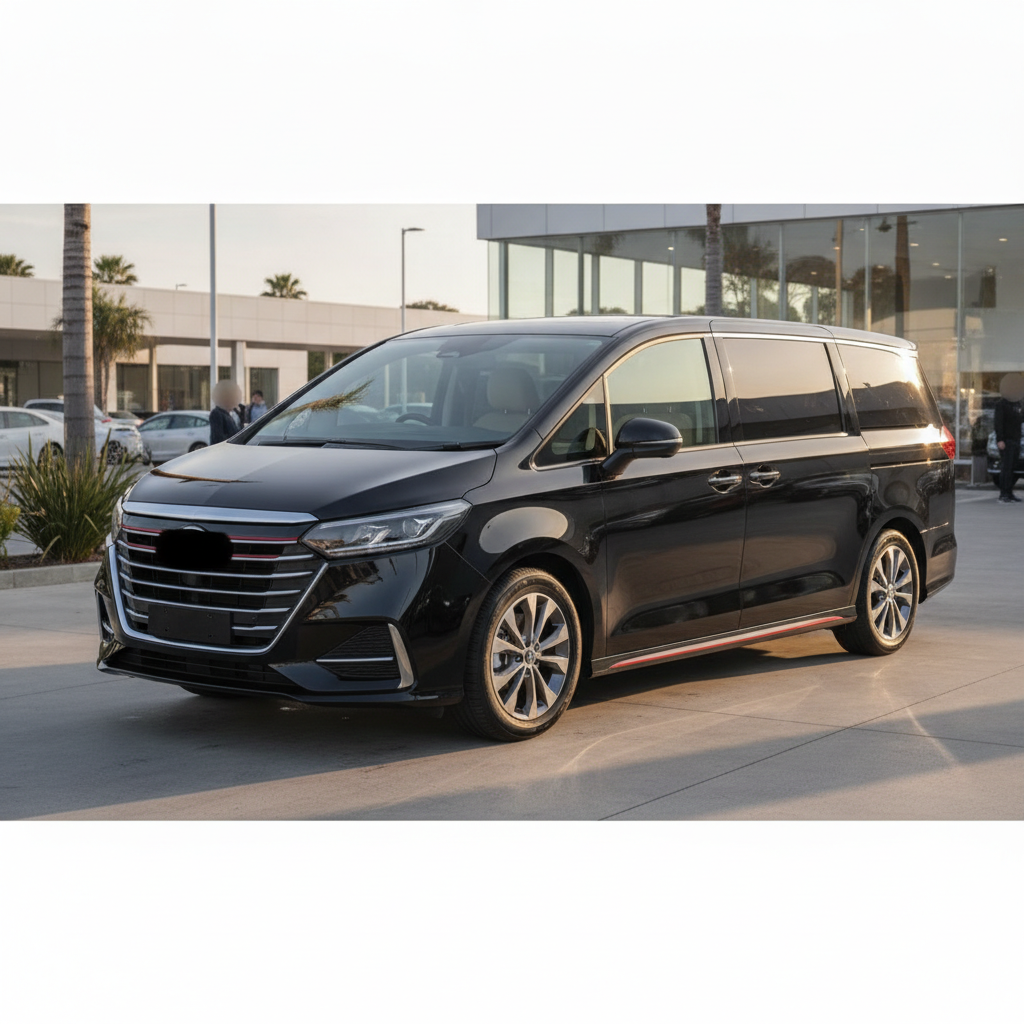
That framing's wrong from the start. Calling something an "alternative" assumes the Alphard is the benchmark and the rest are the discount version. Drop all three into real Sydney driving and each one wins somewhere — and each one has its catch. So today we're not picking a winner up front. We're laying it out across six things: space, second row, drivetrain and fuel, NSW used resale, and the repair network. Let the numbers talk.
First, the three of them on the table
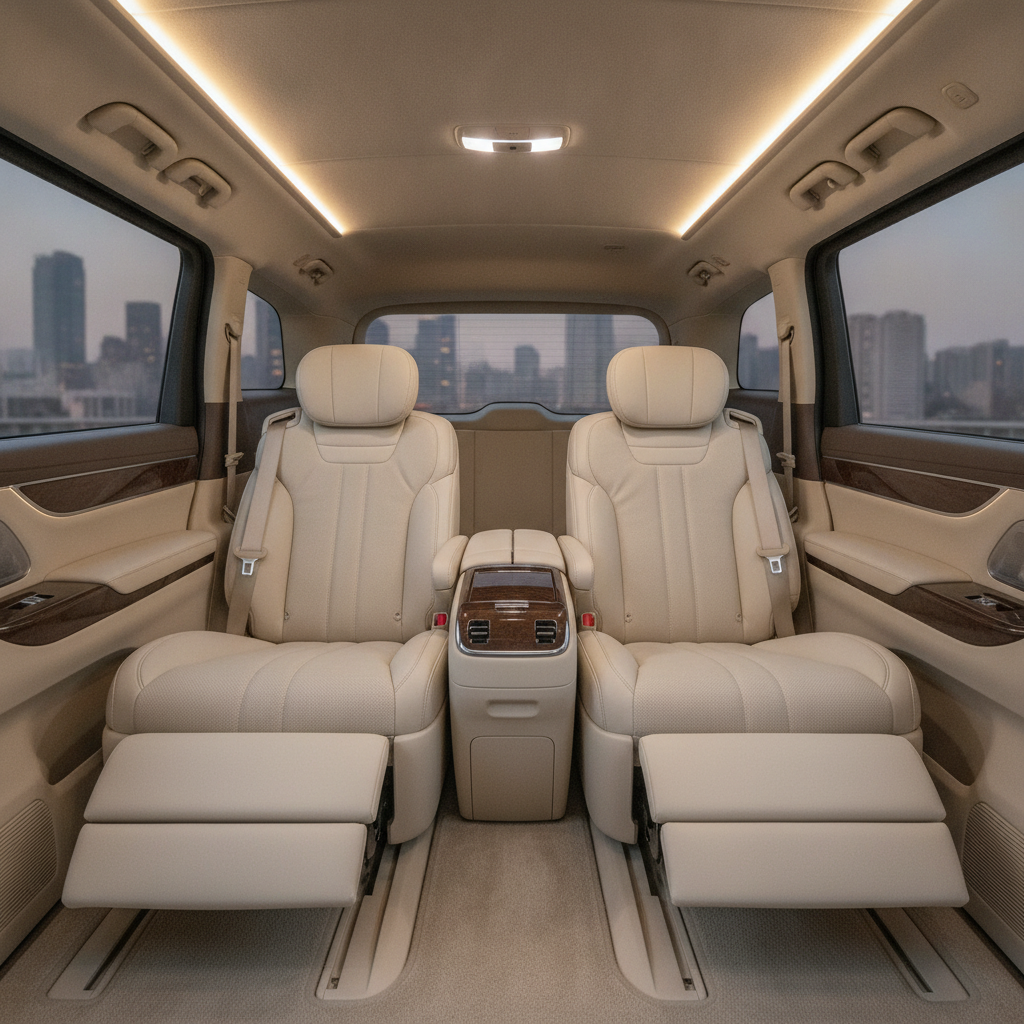
Illustration · First, the three of them on the table
Start with the tape measure — the gaps are bigger than you'd think. The Alphard is about 5.0m long and 1.85m wide. The M8 is longer again, close to 5.2m with a wheelbase over 3m. The Staria is the wild one: roughly 5.25m long, nearly 2m wide and almost 2m tall — easily the most cavernous of the three.
Short version: for sheer room to stuff people and gear in, the Staria wins. The Alphard and the M8 win on turning that room into a lounge.
Second row: the recliner is the Alphard's calling card — but not any more its alone
The Alphard's pair of executive-lounge second-row chairs — power leg rests, heating and ventilation, near-flat recline — has been the benchmark in this class for years, and it's the main reason a lot of buyers pick one.
But the M8 has closed that gap hard: independent captain's chairs in the second row too, with a claimed 58-degree power recline, leg rests, heating, ventilation, massage and fold-out trays. On paper, it's not far off the Alphard at all.
The Staria takes a different road: its second row is built to slide, fold and swallow cargo — proper usable space rather than a first-class recliner. Want the business-class seat, look at the first two. Want to haul seven adults and their bags, look at this one.
Drivetrain and fuel: one hybrid, one plug-in, one diesel
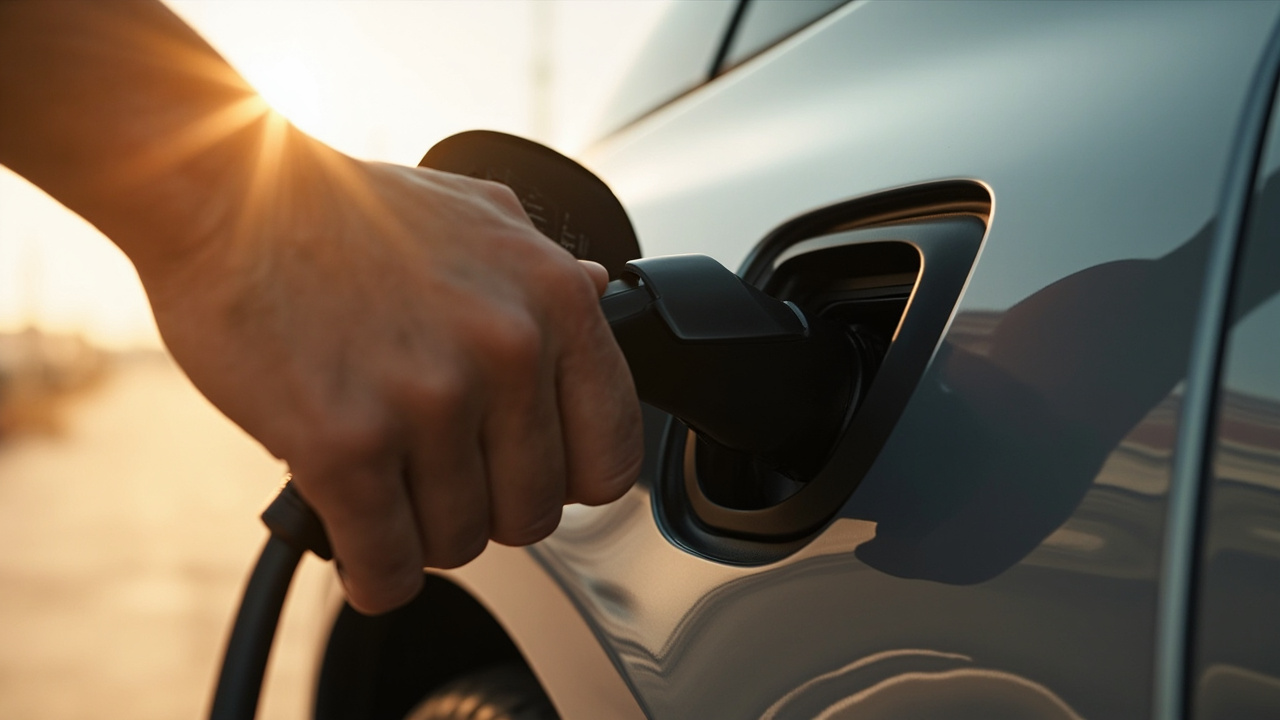
Illustration · Drivetrain and fuel: one hybrid, one plug-in, one diesel
This is where the three split most clearly.
The Alphard runs Toyota's proven hybrid — roughly 5.5–6L/100km around town, smooth, easy to live with, and plenty of people know how to fix it. The M8 is that rare thing, a plug-in-hybrid people-mover: fill the tank and charge it and you'll get a hundred-odd k's on electric alone, then about 6–7L/100km once you're running on the petrol motor. If you commute around the inner west and can put a charger in at home, you can run it like an EV most weeks — the lowest running cost of the three. The Staria's headline is a 2.2 diesel, 130kW/430Nm, around 8L/100km — but a 75-litre tank means a thousand-plus k's between fills. If you're forever on the highway or carting loads, the diesel's range-and-torque combo is the least stressful.
NSW used resale + the repair network: the sum that actually matters before you buy
Illustration · NSW used resale + the repair network: the sum that actually matters before you buy
The bits above are on paper. This bit is your wallet — and it's exactly where the three part ways.
The Alphard holds its money hard on the NSW used market: it's a grey import, supply is limited, and good examples stay in demand. The flip side is written right next to that — most are JDM imports, the factory warranty doesn't come with the car, parts often have to come from Japan, you need a tech who knows Japanese-spec vehicles, and insurance can sit a notch higher because it's a "grey import". The car itself is easy; the chain that repairs it is the fiddly part.
The M8 is the mirror image: it's a brand-new car with a factory warranty (the electrified bits are covered for a claimed 7–8 years, the drive battery 8 years / 200,000km), so the first few years of repairs aren't on you. But it's a brand new to Australia — the service network is still being rolled out one site at a time, and there's no used-value history to point at. Buy one now and nobody can tell you for sure what it'll be worth in a few years.
The Staria is the easiest of the three to own: full Hyundai dealer network Australia-wide, a five-year warranty, capped-price servicing — break down in any city and there's someone to fix it. The trade-off is that it sells in real volume, supply is plentiful, and it usually sheds value a bit faster than the Alphard.
So which one should you actually buy
Illustration · So which one should you actually buy
No preset answer — just pick on the one thing you care about most:
- Resale and the "executive" presence, and you can wear the import-repair hassle — the Alphard.
- Lowest running cost and a long factory warranty, and you don't mind driving a new badge — the M8.
- Maximum load space, hassle-free servicing everywhere, lots of highway — the Staria.
The honest bit
"Alphard alternative" is really a false question: these aren't a dearer-and-cheaper version of the same car — they're three different sets of trade-offs. Before you buy any of them, sort out three things and you'll dodge most of the traps. Alphard: check its import compliance (the compliance plate) and confirm who can actually service it locally. M8: confirm whether the remaining factory warranty transfers with the car, and where your nearest service point is. Staria: pull up its capped-price service history. And used, all three are the same — run a PPSR against the plate first and check for accidents, money owing, or a write-off.
Since 2013, every car we list has been through this kind of check in our own M&F workshop. Want us to run one you've spotted elsewhere over these six points, or a heads-up when a particular model comes in? Come by the yard or drop us a message.