Buying a grey-import Alphard in Sydney: the truth about parts, the Toyota warranty, and the hybrid battery
In Sydney's Chinese community, the Alphard is the kind of car people ask about the moment it lands on the yard — airport runs, the school run, turning up to a meeting, it looks the part for all of it. But there's one thing about it you can't sidestep here: most third-gen Alphards on the market are grey imports (parallel imports), because Toyota never officially brought this top-spec people-mover to Australia.

A grey import isn't a dirty word. A car with a genuine compliance plate, listed on the Register of Approved Vehicles (RAV), is perfectly legal to register and drive in NSW. What you actually need to get straight are the three things buyers agonise over: parts, warranty, and the hybrid battery. Let's go through them one at a time.
Truth one: which parts are common worldwide, and which are JDM-only
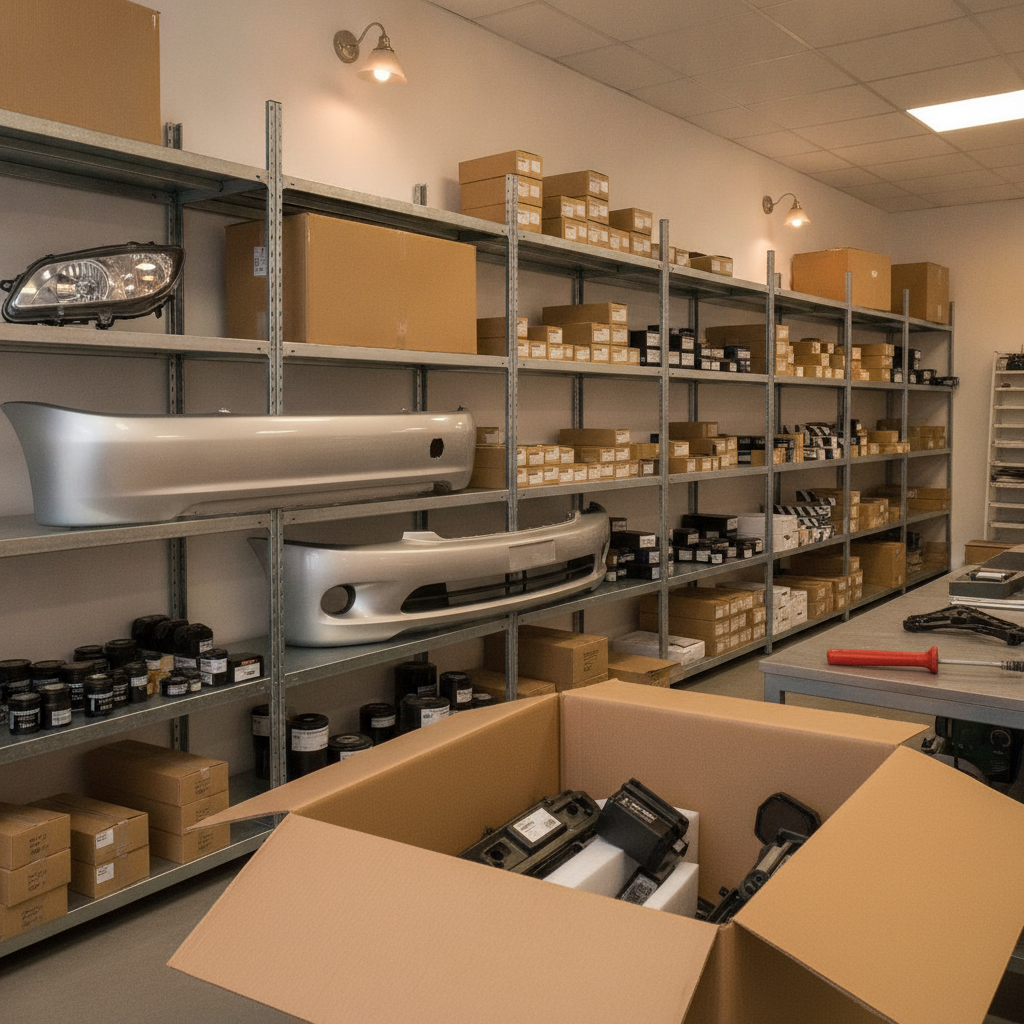
Illustration · Truth one: which parts are common worldwide, and which are JDM-only
Start with the reassuring half. The 2.5 hybrid in the third-gen Alphard runs the 2AR-FXE engine — the same family as the Camry Hybrid that Toyota does sell here. So the everyday service items — oil, filters, brake pads, suspension bushes — plus a good chunk of the shared hybrid gear, are easy to get in Sydney at normal prices.
The awkward bits are the JDM-only parts: headlight units, front and rear bars, the Japanese-market head unit and nav, some of the interior electronics. Those were only ever made for the Japanese market, local stock is thin, and when one fails you're often waiting on a shipment — a week or two, at double the price, is par for the course. So when you're looking a car over, ask the obvious question: if a headlight goes or a bar gets scuffed, where does the part come from and how long is the wait? The mechanical side is fine; it's panels and electronics that are the real cost of a grey import.
Truth two: does Toyota Australia's warranty actually cover it

Illustration · Truth two: does Toyota Australia's warranty actually cover it
This is the easiest trap to fall into. Plenty of people assume "it's a Toyota, it's covered worldwide" — it isn't. Toyota Australia's factory warranty only covers cars it sold through its own Australian dealer network. A privately imported car generally isn't covered by that factory warranty — Toyota Australia spells this boundary out. That Japanese warranty booklet won't get you far at a Toyota dealer in Sydney.
So are you flying without a net? Not quite. In NSW, buy from a licensed dealer and the dealer has to warrant the car by law; the consumer guarantees under Australian Consumer Law also sit over the seller the whole time. In other words, what protects you is the yard that sold you the car — not Toyota Australia. Nail this down before you buy: who provides the warranty on this car, what does it cover, and for how long — don't buy a grey import on a fantasy of factory-backed global cover.
Truth three: the hybrid battery degrades — how to check it at intake
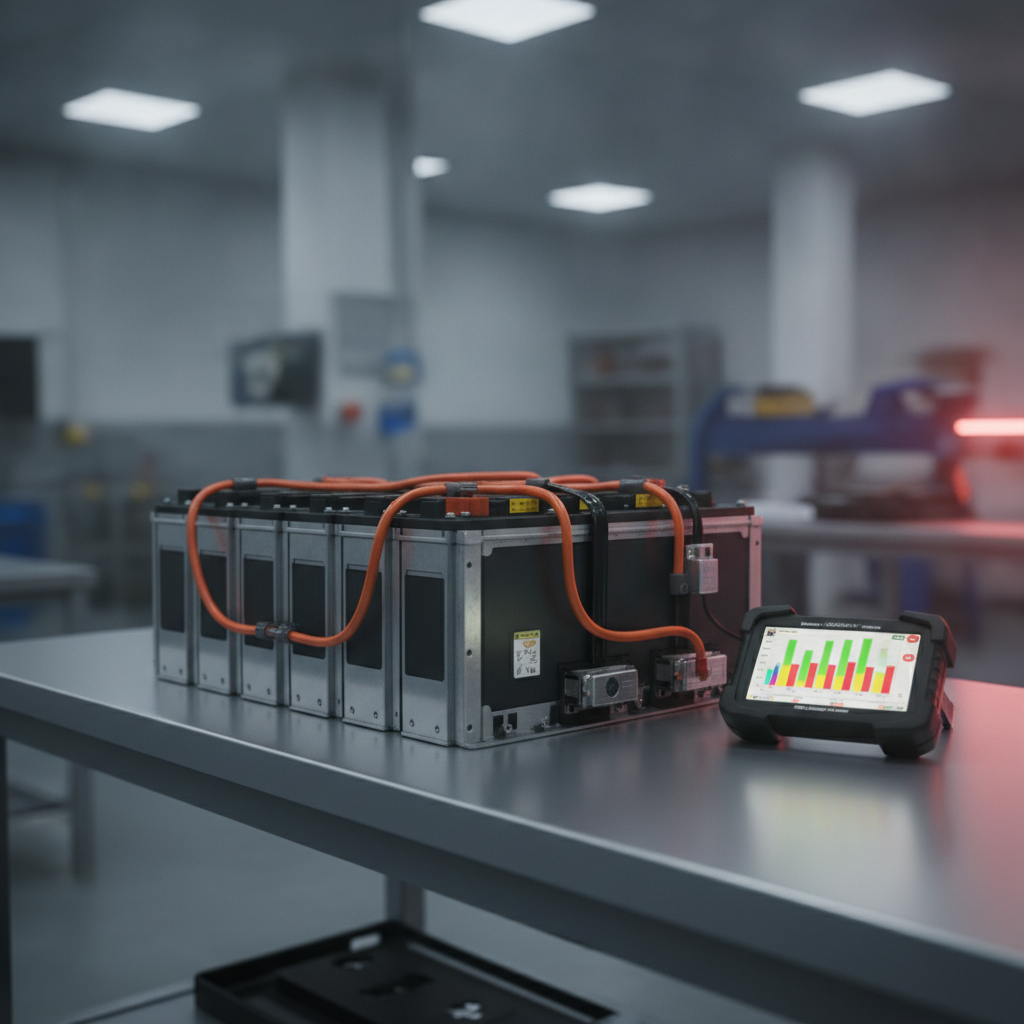
Illustration · Truth three: the hybrid battery degrades — how to check it at intake
Most third-gen Alphards are 2015-on, so the hybrid battery has a few years on it, and degradation is unavoidable. Toyota's own line is that in a normal climate the battery holds 80%-plus state of health (SOH) out to around ten years or 150,000 km. But Sydney summers are hot, heat is no friend to a nickel-metal-hydride pack, and a car that's done big kays and sat in the sun will drop below 85% SOH sooner than that.
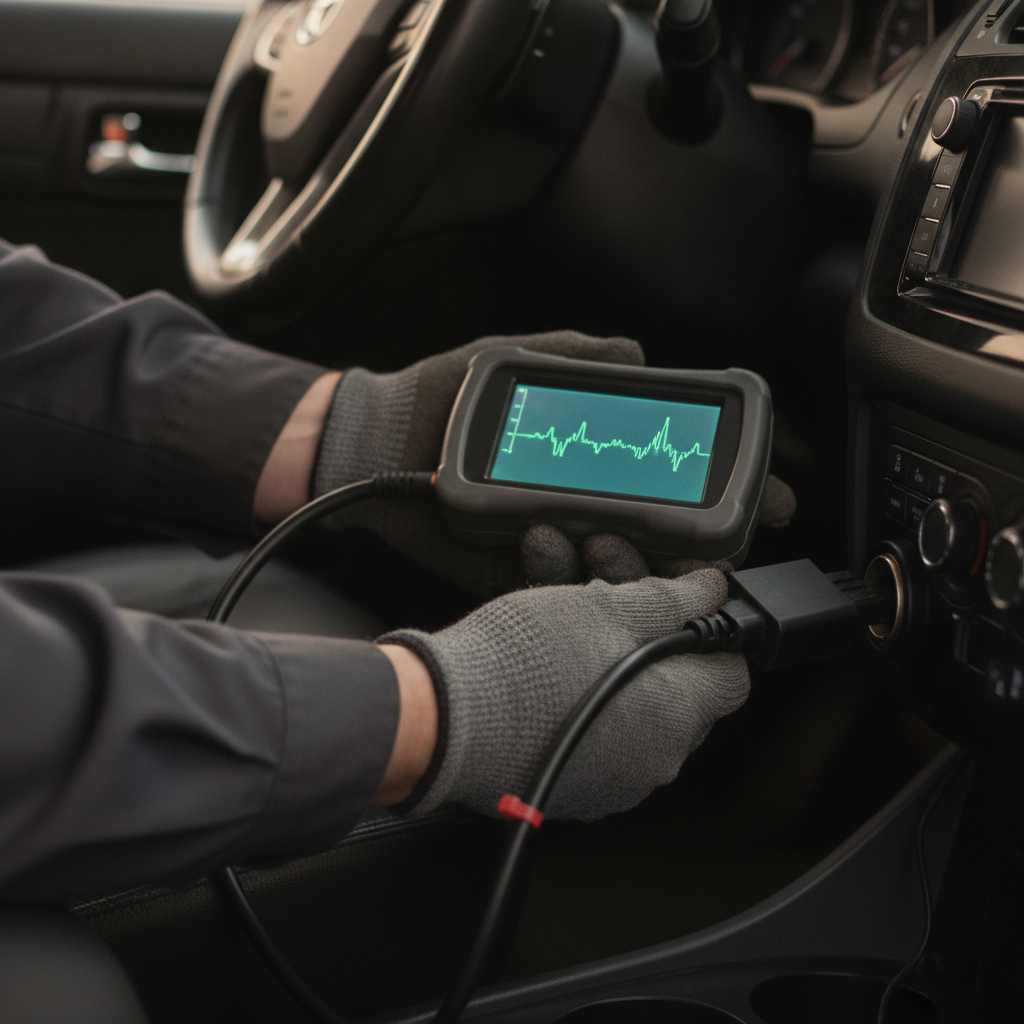
Illustration · Truth three: the hybrid battery degrades — how to check it at intake
Here's the thing: you can't read battery health with a cheap OBD dongle. It takes proper diagnostics — Techstream, or something like Dr. Prius — reading each battery block to see whether the module voltages are balanced. A seller who can give you an actual SOH figure with even module voltages is a lot more credible than one who just says "the battery's fine." Over 90% SOH is good, 85–89% keep an eye on it, and under 85% you need to factor in the cost of a replacement pack — a new battery for a third-gen Alphard isn't cheap, so get that number on the table before you talk price.
The honest bit
A grey-import Alphard is a good car, but its trade-offs need saying up front: JDM-only parts are harder to fix and slower to arrive, and you can't lean on a factory warranty — those are baked-in costs that a tidy example doesn't make disappear. Get your head around those two, then decide whether it's worth it.
On every hybrid Alphard we buy in, on top of the usual PPSR check and the M&F workshop inspection, we do one extra step: we put a diagnostic tool on it, read the battery's SOH and the individual module voltages, and write the numbers on the inspection sheet — rather than just telling you "the battery's healthy." Because on a grey-import hybrid, the battery is exactly the account a buyer most needs to see, and the one that's easiest to gloss over.
Want to see the battery SOH report on a particular Alphard — or have us check over a grey import you've found somewhere else? Come by the yard or drop us a message.