Buying a Used Toyota Camry Hybrid in Sydney? We Put the Gen 8 Through the Workshop First — Here's What We Found
The Camry hybrid isn't bulletproof. Here are the three things worth checking before you hand over a deposit.
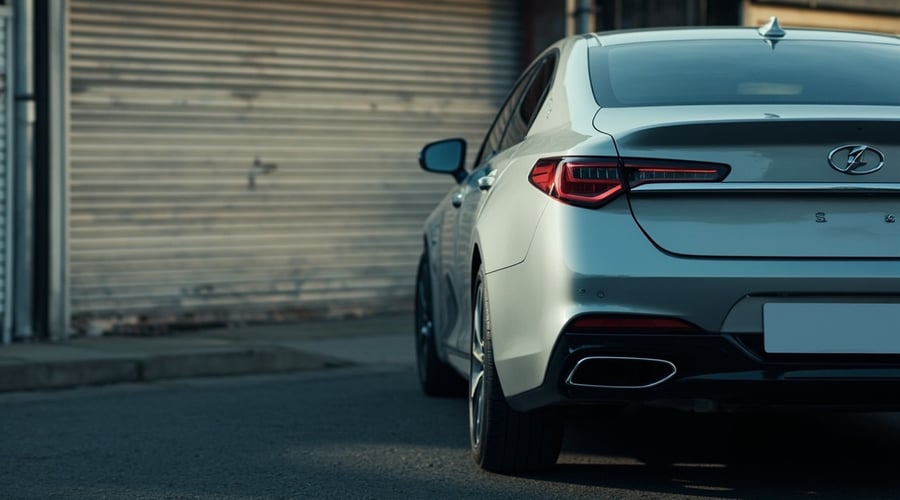
The Camry hybrid has taken on near-mythical status in Sydney's Chinese community — economical, essentially indestructible, the kind of car that puts in a decade of honest work and gets handed down to the next international student. I'll give that about half marks. Toyota's hybrid system genuinely has fewer gremlins than its German counterparts, but fewer isn't none. Especially when the car has come off Parramatta Road, where previous owners, driving habits, and service histories are anyone's guess. And the three things that set the hybrid apart from the petrol version happen to be exactly what most buyers can't assess from a test drive.
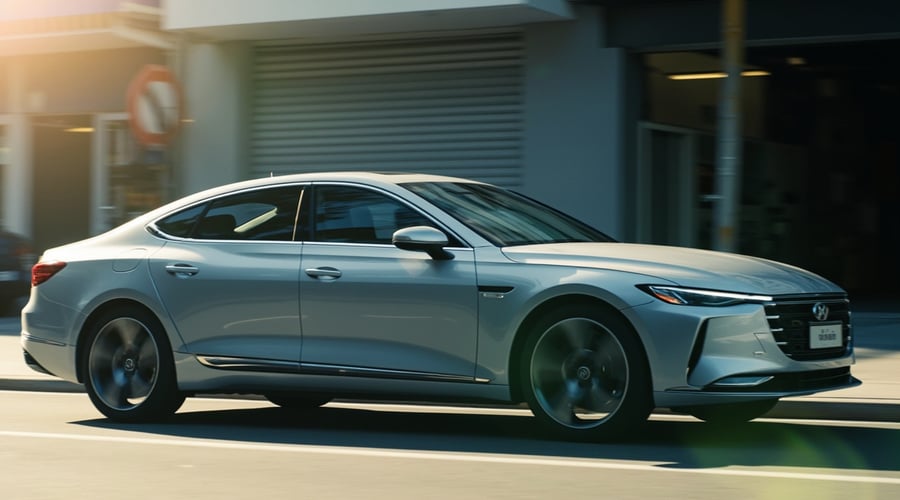
Last Friday, a freshly signed 485 visa holder came in with a budget around $28K, set on a post-2018 Camry hybrid. "Economical, holds its value, no dramas" — all reasonable calls. The car choice is sound. The condition of any particular car is a separate question. So before we talked price, we rolled this Gen 8 Atlas Sport into the M&F workshop and worked through the three areas where hybrid Camrys quietly rack up hidden costs.
Here's what we found, in the order we checked it. If you're shopping for one of these right now, these are the questions to ask — whether you're dealing with a private seller or a car yard.
The Hybrid Battery: The Dashboard Will Always Tell You It's Fine
Hybrid batteries don't die overnight. They fade. The problem is the car won't tell you how far along that fade has gone. The instrument cluster stays green, the centre screen says Hybrid System Ready, and unless the battery drops below the threshold that triggers a system warning, you'll feel nothing unusual from the driver's seat.
What actually tells the story is voltage spread across the individual battery modules. Toyota's nickel-metal hydride pack — used in many 2018-onwards variants — is made up of dozens of cells in series. A healthy battery has modules that sit close together in voltage under load. A degraded one has outliers: modules that have fallen behind and are dragging on the rest of the pack. The car still drives. Fuel economy might not spike dramatically. But in Sydney's stop-start traffic — crawling toward an on-ramp, idling through Parramatta Road gridlock on a 38-degree day — a tired battery can't deliver the sharp high-voltage output it once could, and the petrol engine starts covering for it earlier and more often.

This car had 87,000 km on the clock. The module voltage spread came back within an acceptable range — not new-car territory, but not a problem today. We told the client exactly that: the battery is functional now, but in roughly two years, balancing the modules or swapping out the weaker ones is worth budgeting for. We gave him a realistic figure for what that work typically runs at an independent hybrid specialist in Sydney so he could factor it into his decision. He had the full picture before he said yes.
What you can check yourself: Private sellers generally won't let you bring an OBD reader, but you can ask directly: "Has the battery ever had a module health check? What was the voltage spread?" A blank stare means nobody has ever looked closely at the hybrid system on this car. On the test drive, find a quiet car park, accelerate firmly from low speed, and pay attention to how the transition between electric and engine power feels. A perceptible lurch or hesitation at that handover point — rather than a seamless surge — is worth following up on.
Inverter Coolant Seepage: The Weak Point the Petrol Version Doesn't Have
The petrol Camry has no inverter. The hybrid does — and it lives under genuine stress: high voltage and high operating temperature, all day, every day. The inverter converts the battery's high-voltage DC into the AC the drive motor needs. Toyota gives it a dedicated coolant circuit to manage the heat. And it's the hose connections and seals on that circuit where things can quietly go wrong.
Sydney summers are hard on engine bays. Stuck in traffic on Parramatta Road, under-bonnet temperatures build up, and components go through repeated heat cycles over years of ownership. Slow seepage at the inverter coolant connections — the kind that leaves a faint pinkish-orange residue rather than a visible puddle — won't trigger any warning lights. It won't show up in the fuel consumption readout. It just quietly progresses until either the coolant level drops enough to be noticed, or drive performance starts to suffer. By that point, the seepage has usually been going on for a while.
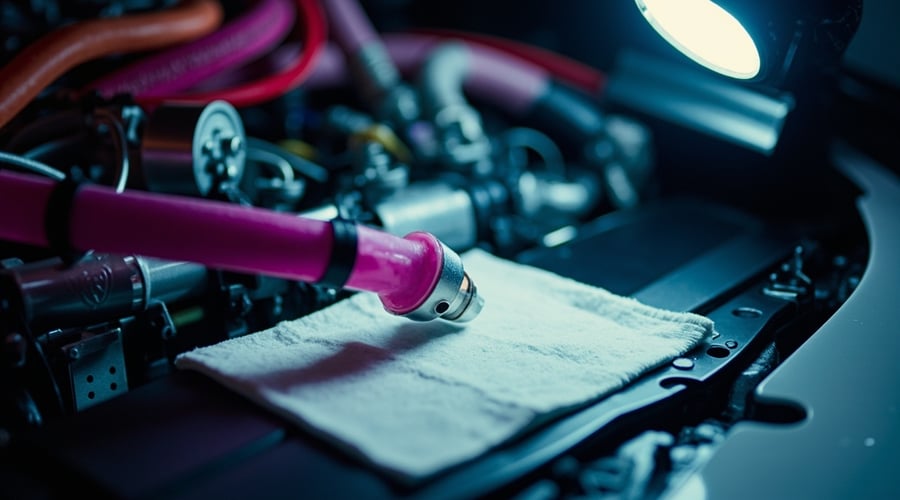
Checking this properly meant pulling the engine cover and physically inspecting the inverter assembly and coolant hose connections. The technician ran a finger around the base of each hose fitting, looking for the dried crystalline residue a slow leak leaves behind. This car was clean — fittings dry, coolant level normal. But the check is non-negotiable, because a well-detailed engine bay on a used car can easily hide evidence of a slow leak that was patched and left.
What you can check yourself: Open the bonnet. Find the coolant reservoir, then trace the hose that runs toward the inverter on the driver's side. Look at the connections — any pinkish mineral deposits or discolouration? If the engine bay looks suspiciously clean, run your fingers under the hose fittings. A previous leak that dried in place will leave a faint sticky residue behind the connection. If you find anything, ask for an explanation. If you can't get a straight answer, make it a priority for whoever does the pre-purchase inspection.
The eCVT: Not a Gearbox, but Still Worth Listening To
A lot of Camry hybrid buyers think the car has no gearbox. Technically they're right — and wrong. There's no conventional automatic, but there is an eCVT: a power-split device built around a planetary gear set that distributes torque between the engine, generator motor, and drive motor. Mechanically it's genuinely robust — we rarely see the eCVT itself fail. But in a used-car context, what you're listening for is early bearing wear in the power-split assembly, particularly around the hydraulic control unit, that builds up when a previous owner drove hard and often.
This isn't the kind of wear that shows up as a warning light or a drop in performance. It's metal particles accumulating in the transmission fluid from years of heavy acceleration and high-load driving — the kind of use that doesn't wreck the gear set but does accelerate bearing fatigue. How it presents on the road: a faint whine or high-pitched hum at low speed that fades once you're up to pace. Easy to miss with the radio on. Easy to write off as "normal hybrid noise." Often it is. But not always.
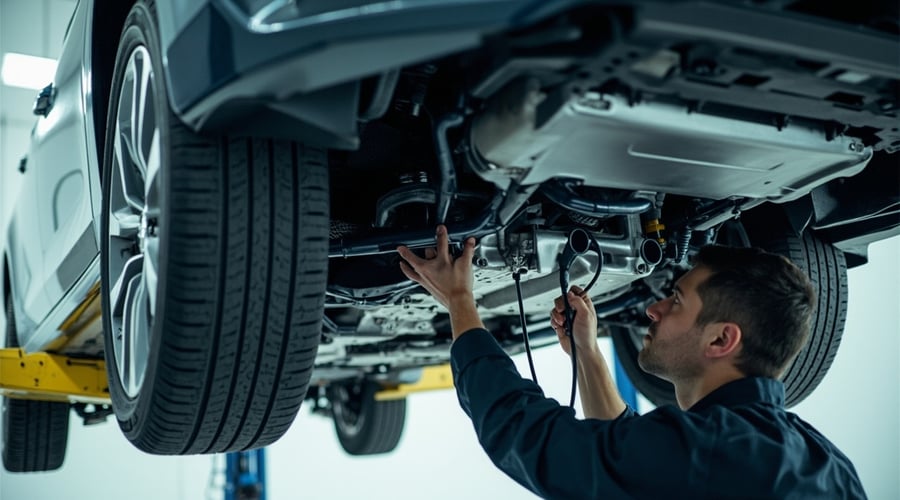
Our standard process on any hybrid Camry is to put it on the lift, run it at low speed, and listen specifically to the side of the eCVT housing closest to the subframe. We also use a mechanic's stethoscope against the casing to check for asymmetric bearing resonance. This one came back clean — no debris hum, no asymmetric tone. Even so, we'll have the client bring it back for a fluid status check every 3,000 km during the warranty period.
What you can check yourself: On the test drive, windows up, audio off, spend a few minutes in a quiet car park at low speed — forward, reverse, repeat. You're listening for a persistent tone from below the front of the car that tracks with vehicle speed. A brief electronic hum as the system spins up is normal. A continuous mechanical sound that doesn't fade is not. If something catches your ear, a lift inspection will confirm it.
The Extra Cost on a Hybrid Should Go Into the Inspection, Not the Repairs
None of this changes our view that the used Camry hybrid sits firmly in the first tier of recommendations for most of our buyers. Low running costs, strong resale in the NSW market, and a hybrid system that has genuinely earned its reputation over time. But that system adds three specific risk areas — battery module degradation, inverter coolant seepage, eCVT bearing wear — that don't exist on the petrol version and won't appear in any listing description. Miss one of them going in, and the cost lands on you after the keys change hands.
When we brought this car in, we ran all three checks before agreeing on a purchase price. The battery read acceptable but not optimal, so we factored the realistic cost of future module maintenance into the conversation with the client — openly, rather than pretending the numbers didn't exist. That's worth acknowledging honestly: battery fade is a real probability on any used Camry hybrid. Not every car, not every case. But when you don't know the previous driver's habits — whether they spent years nudging through Parramatta Road traffic or treating the thing like a taxi — the only honest response is to check it properly and tell you what the data shows.
If you're currently looking at a used Camry hybrid, make those three questions part of every conversation before you leave a deposit. Can't get a straight answer? Don't rush. If you'd like us to run through the same checks on a car you're considering — ours or otherwise — send us a message with "Camry hybrid inspection" and we'll set up a dedicated hybrid system check at M&F. You decide what to do from there.