Buying a Used Car in Sydney: What "Roadworthy," Pink Slip, and Blue Slip Actually Mean in NSW
NSW rego transfer truth: if it's still current, you probably don't need any of those certificates at all.
A reader messaged me the other day. He'd just moved from Melbourne and was sorting out his first Sydney car. The seller told him: "Rego's still current — just transfer it, no roadworthy needed." His Melbourne mates said that was impossible; you always need a roadworthy before a transfer. Then he went down a rabbit hole on Little Red Book and came out the other end more confused than he started — pink slips, blue slips, half a dozen contradicting opinions.
He wanted to know: what does NSW actually require?
Short answer, right up front: if the car has a current registration, you don't need any certificate to transfer it. The cars worth watching are the ones where the rego has lapsed. Everything else flows from that. Let's walk through it.
"Roadworthy" Isn't Even a Real Document in NSW
This is the biggest misconception, so let's clear it up first.
Victoria and Queensland require a Roadworthy Certificate on every private sale, which means buyers who've come through those states often arrive in Sydney still asking whether the dealer "includes the RWC." But NSW doesn't use that system. What NSW actually has are two distinct formal documents: the pink slip (officially the Safety Check Report, or eSafety Check) and the blue slip (Authorised Unregistered Vehicle Inspection).
"Roadworthy" in Sydney is just everyday language — shorthand for "safe to drive." It's not a document you can look up anywhere in the NSW system. So when a seller tells you the car "comes with a roadworthy," one of two things is probably going on: either they're carrying over a habit from another state, or they're dangling a vague-sounding certificate hoping you stop asking harder questions about the car itself.
Pink Slip: The Annual Tick-Box Before You Renew Rego
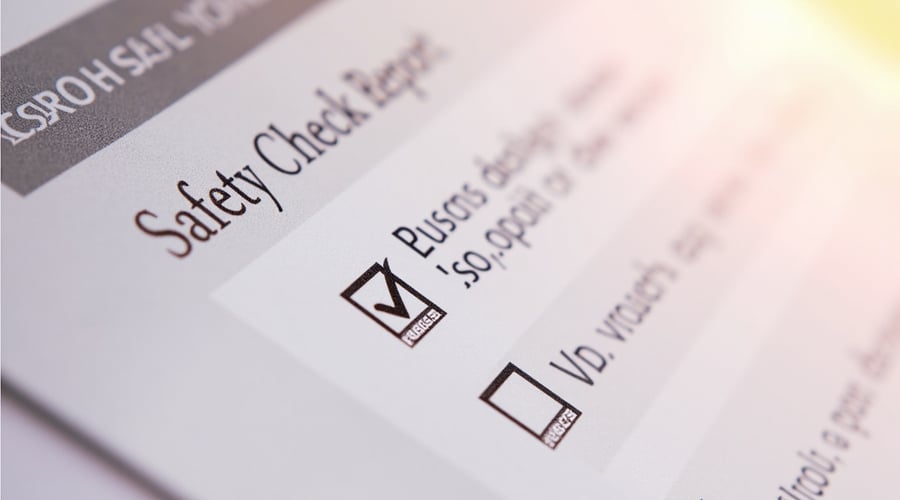
The pink slip — formally the Safety Check Report or eSafety Check — is literally a pink sheet of paper. It's issued by Service NSW–authorised Authorised Inspection Stations: the independent workshops and tyre shops around the city with the "AIS" sign out front.
When does it apply? Any car more than five years old needs one before its rego can be renewed each year. Once the inspection passes, the result is uploaded electronically to Transport for NSW. No pink slip, no rego renewal.
What does it actually check? Tyre tread, brake pad thickness, lights, seatbelt latches, suspension, chassis rust, and whether any fluid leaks are bad enough to matter — basically, the safety items you can't see from the driver's seat. It's a surface-level pass/fail that typically costs under $50.
Here's the thing to remember: a pink slip tells you whether the car is safe enough to stay on the road. It says nothing about whether it's worth buying. A slipping transmission, an engine burning oil, a dead air conditioner, a centre screen that freezes at startup — none of that gets flagged. I've seen plenty of cars sail through a pink slip and be back in a workshop within a fortnight.
Blue Slip: The Deep Check for Cars That Fell Off the System
The blue slip is a different animal. Officially it's the Authorised Unregistered Vehicle Inspection, and unlike the pink slip, it's not a routine annual check — it applies to cars that have no active record in the NSW registration system.
You'll need a blue slip if:
- The rego has been expired for more than three months
- The car is coming from another state and being registered in NSW for the first time
- It's an overseas import entering the NSW system
- The VIN or engine number doesn't match what's on record
- The car was previously written off, has since been repaired, and needs to be re-registered
It's a more thorough process than a pink slip. On top of the safety checks, it includes an identity verification step — the inspector physically confirms that the VIN and engine number match the paperwork, and checks for any stolen or written-off history. If the pink slip is a returning resident renewing their licence, the blue slip is a new arrival going through border control. Stricter, slower, and more expensive.
Which brings up something worth watching for: if a private listing says "rego expired, buyer to arrange blue slip," treat that as a yellow flag. Not automatically a dealbreaker, but enough to ask three things before you go any further — why did the rego lapse, where has the car been sitting, and would the seller be willing to get the blue slip done and restore the rego before settlement?
A car being sold with valid rego has, at minimum, passed its most recent annual check and has a traceable record. A car with fully lapsed rego has spent some stretch of time invisible to the system — and nobody can tell you what happened to it during that window.
So Which One Do You Actually Need?
Forget the names for a moment. Here's a practical decision tree: check the rego expiry first, then check where the car is coming from.
Rego is still current. Doesn't matter if there's one day left or ten months — the transfer process is: seller submits a Notice of Disposal through Service NSW, you transfer the registration into your name via the Service NSW app, pay the transfer fee and stamp duty (for private sales), done. No pink slip, no blue slip, no certificate of any kind. Whatever's left on the rego clock carries over to you; renewing it when it expires is your job from then on.
Rego expired less than three months ago. No blue slip required. Once you take ownership, renew through the standard process: pink slip if the car is over five years old, a greenslip (CTP insurance), rego fee, done.
Rego expired more than three months ago — or the car is interstate, imported, or has no NSW registration history. Slow down before you commit. The car needs a blue slip before it can be registered in your name. Your options are to negotiate: either the seller sorts the blue slip and restores the rego before the sale, or the price reflects the fact that all that hassle lands with you.
One thing to do before any of this: run a free rego check on the Service NSW website. Type in the plate number and you'll immediately see the expiry date and whether the rego has been suspended or cancelled. Ten seconds, no login required. Do it before you hand over a deposit.
One Line That Ties It All Together
To put the whole thing plainly:
- Roadworthy — something Sydneysiders say in conversation; not a formal NSW document.
- Pink slip — the annual safety check you need to renew rego on a car that's already registered.
- Blue slip — the identity and safety inspection required when a car re-enters the NSW system after lapsing or arriving from elsewhere.
All three share one crucial limitation: they confirm the car is legal to drive, not that it's worth buying. The certificate tracks the rego status. It doesn't flag hidden mechanical problems. Which is exactly why, when a seller leads with "I'll throw in a roadworthy," the right question isn't whether that document exists — it's whether they're using a vague-sounding promise to steer your attention away from the car itself.

What We Actually Do
Most cars on our lot at Max Auto come with current rego, so the transfer is straightforward — a name change through Service NSW, nothing more involved than that.
But valid rego only means the car cleared the legal minimum. It doesn't mean you won't be back in a workshop three months later. That's why every car goes through our own pre-sale checklist in the M&F workshop before it hits the floor — checking things a pink slip won't catch and a blue slip doesn't cover: what the transmission fluid smells like, what the engine sounds like on a cold start, whether the air conditioning starts hunting at higher revs.
The certificates are the floor NSW sets. We're trying to clear a higher bar than that — one where you can drive away and not think about the car again for a good while.
If you're looking at a private listing with lapsed rego and trying to figure out whether it's worth pursuing, drop the plate number and VIN in the comments or send me a message. I'll pull the record and give you an honest read before you spend money finding out the hard way.