Sydney Private Sellers Who Say "Just Had a Full Service" — What's That Actually Worth, and How Do You Verify It?
Three questions can tell you if that service claim is real — most buyers never ask them.
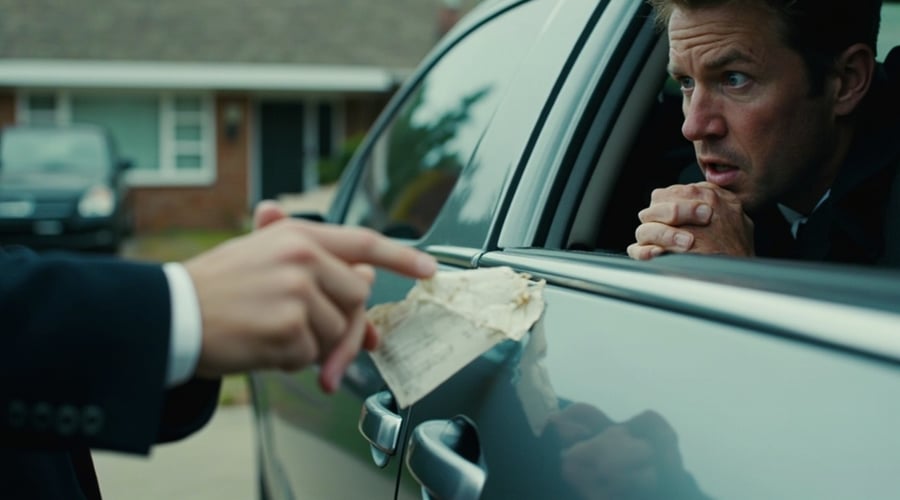
You see it on almost every private listing. Gumtree, Facebook Marketplace, it doesn't matter — scroll far enough and you'll find some variation of "just had a full service", "recently serviced by mechanic", or the one that always makes experienced buyers raise an eyebrow: "spent a lot on it recently, reason for selling is upgrading." The claim costs the seller nothing to type and sounds reassuring to anyone who doesn't know what to look for. The problem is that "full service" means something different to every person who writes it. To one seller it means fresh oil and a new oil filter. To another it means a genuine log book service at a reputable workshop. To a third it means their brother-in-law topped up the washer fluid and declared the job done. Without any way to tell which version you're dealing with, the claim is worth almost nothing on its own.
This isn't about assuming every private seller is dishonest. Most aren't. But private sellers don't carry liability the way a licensed dealer does under the Motor Dealers and Repairers Act 2013 in NSW, and "sold as is" is a real legal position in a private sale. If you hand over $18,000 and discover a week later that the "full service" was a drive-through oil change three days before the listing went up, you have very limited recourse. So the question isn't whether to trust the seller. The question is how to verify the claim yourself, before the money changes hands.
Here is how you actually do that — step by step.
Start With the Service Book, Not the Story
The single most useful document in any used car transaction is the logbook or service record, and the first thing you should ask for before you even book a test drive is a photo of it. Not a description of it. A photo of the actual pages.
A genuine service history has weight to it. You're looking for a sequence of stamps or mechanic's signatures across multiple entries, each one showing a date, a mileage figure, and ideally the name of the workshop or the technician. What you want to see is a believable pattern: the entries should be roughly 10,000–15,000 km apart (or annually, whichever comes first, depending on the manufacturer's schedule), and the mileage numbers should increase sensibly with time. If a car is on the road in Sydney and was last serviced at 78,000 km, and the current odometer reads 91,000 km, that gap isn't alarming — it's about right. If the gap is 45,000 km and the seller is calling this "recently serviced", that tells you something.

What you're also looking for is whether the stamps or signatures actually match the mileage on the odometer today. This is where the "just been fully serviced" claim starts to fall apart or hold up. If the book shows a service at 97,000 km and the car is sitting at 97,400 km, that is plausible. If the book shows a service at 97,000 km and the car is at 112,000 km, then "just had a full service" was not last week — it was sometime in the past, and a meaningful amount of driving has happened since.
One more thing to check in the book: the nature of the service itself. Some manufacturers specify what a minor service covers versus a major service. A minor might be oil, filter, visual inspection. A major might include brake fluid, transmission fluid, spark plugs, timing belt or chain inspection, air filters and a full safety check. If the seller says "full service" but the book entry says "minor service — oil and filter only", you now have a very specific conversation to have.
Cross-Check the Workshop Claim Directly
A lot of buyers take the service book at face value. Fewer take the next step, which is actually calling the workshop listed in the entries. This is one of the most useful things you can do and almost nobody does it.
Most reputable mechanics in Sydney — whether it's a local independent workshop in Burwood, a franchise service centre, or a dealer service department — keep records. If a car came in for a service, they have a job sheet, an invoice, a record of what was done. You can call and say: "I'm thinking of buying a car that shows a service at your workshop at around [mileage]. Can you tell me if that record exists and what was actually done?" They may not be able to give you all the detail without the owner's permission, but they can usually confirm whether the car was there and roughly what the visit covered.
If the workshop listed in the book is a real, operating business, this call takes five minutes. If the seller gets evasive when you suggest calling the workshop, pay attention to that. If the entry in the book is vague — "ABC Service" with no address, no phone, a stamp that looks photocopied — pay attention to that too.
This step is particularly relevant when someone says "just had a full service" but there's no entry in the book, and the supporting document is a single invoice or receipt. Invoices can be generated. A job sheet from a real workshop, cross-checked with the workshop itself, is harder to fake. The honest trade-off here is that some sellers have genuinely lost the logbook over years of ownership, or the car has an incomplete history for legitimate reasons. In that case, an invoice from a reputable workshop is better than nothing — but it should be recent, itemised, and verifiable.
Run the PPSR and Pull the Rego History
This step isn't specifically about the service history, but it tells you a lot about whether the overall picture the seller is painting holds together. The PPSR — the Personal Property Securities Register — costs $2 per search and you can run it at ppsr.gov.au using the VIN or the plate number. It tells you whether the vehicle has a security interest (finance) recorded against it, whether it's been written off as a statutory write-off or a repairable write-off, and whether it's been reported stolen. If a car has been written off and repaired, the "just had a full service" claim takes on a very different significance.

Beyond the PPSR, you can check rego status and some vehicle history through Service NSW. NSW Transport also keeps a record of rego transfers and compliance history. The number of times a car has changed hands in recent years, and how recently the seller acquired it, can help you understand whether the story adds up. A car that was owned by one person for seven years, regularly serviced, and is now being sold because they're switching to an EV is a different risk profile to a car that has had four owners in eighteen months.
Put the PPSR result, the rego history, the service book, and the workshop call together. Four data points is a lot harder to fake than one verbal claim.
The Red Flags That Change the Conversation
Even with a full service book, a few things should make you slow down and ask more questions.
The tyres tell you something the service book doesn't. If a car with 65,000 km on the clock has tyres that are visibly worn down to near the wear indicators, and the seller says it was "fully serviced last month", that service either didn't include a tyre inspection — in which case it wasn't that full — or the inspection found a problem that wasn't addressed. Either way, it's worth asking directly.
Brake disc thickness is another one. Run your finger along the face of the rotor through the wheel spoke. If you can feel a deep lip or groove at the edge of the rotor, the brakes have been working hard and haven't been looked at. On a car that was "just serviced", this should have been noted.
The oil itself is worth checking if you can. Pull the dipstick or look at the cap. Fresh oil is clear amber. Oil that hasn't been changed in a long time is dark brown-black. If the oil is dark and the seller says the car was serviced recently, either the service didn't include an oil change, or it wasn't as recent as described.
None of these things are definitive proof of dishonesty. They are things you should see in a car that was genuinely serviced recently, and if you don't see them, you deserve an explanation.
What a Pre-Purchase Inspection Actually Solves
If the paper trail is thin, the workshop can't be verified, and the car has covered some distance since the most recent entry, a pre-purchase inspection is the cleanest way to fill in the gaps. You're paying $150–$250 to have a qualified mechanic put the car on a hoist, check the major systems, and give you an independent read on its actual condition. For a private sale in the $15,000–$40,000 range, that cost is a rounding error.
In Sydney, the seller needs to agree to a PPI before it's done — they're not obligated to allow it, and a seller who refuses to allow one is worth thinking carefully about. Most honest sellers have nothing to hide and will agree readily. Some will suggest their own mechanic, which you should politely decline in favour of your own choice.
The PPI won't tell you the full service history of a car, but it will tell you the car's current condition — and that is ultimately what you're buying.
What a Proper Dealer Does Differently
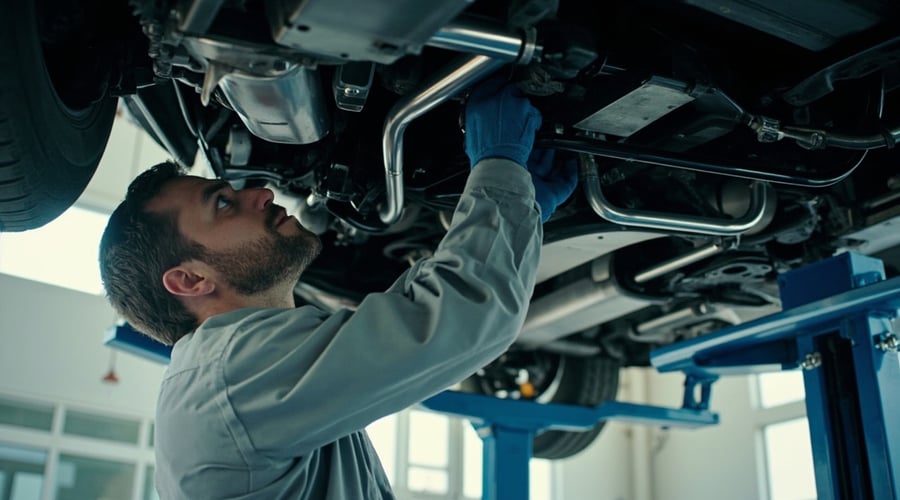
When a car arrives at our workshop before it goes on the lot, the first things we do are pull a PPSR by plate, pull up the vehicle history through NSW Transport, and compare the VIN on the compliance plate with the VIN on the firewall. Then it goes through the workshop — brakes, tyres, oil condition, transmission fluid, belts, cooling system, under the car. We have a job sheet for every car that comes through. If a buyer wants to see what was done before a car went on the lot, we can show them. That's what differentiates a 3-month warranty backed by your own workshop from a private seller's receipt from a shop that may or may not still be open.
For a private sale, you don't have that layer. Which is exactly why the three steps above — logbook + workshop call + PPSR — are worth doing before you hand anyone cash, no matter how good the listing sounds.
If you're weighing up a car right now and want a second opinion on the service history or condition, bring it past us on Parramatta Road in Concord and we can take a look. No charge for the conversation.