Sydney Used Cars: What a 3-Month Warranty Actually Covers — and What It Doesn't
Sydney used car warranties: what's actually covered in those 3 months — and what isn't. Know before you sign.

The moment you dread most after picking up a used car isn't an engine knock. It's driving off the lot and getting a call from the salesperson saying, "Sorry, that one's not covered."
Drive along Parramatta Road and you'll see "3-month warranty" stickered on windscreens at virtually every lot. Most buyers read that and assume anything that goes wrong in the next three months is someone else's problem. Then the brakes start squealing, a tyre wears through, or the aircon stops cooling — and when they call to ask, the answer isn't what they expected.
This article isn't about sales tactics. It's about laying out exactly where that three-month warranty line sits, so you know what to ask before you put down a deposit.

A Warranty Isn't Insurance — It's a Bounded Repair Promise
The most important thing to get straight upfront: a dealer's 3-month warranty is not a comprehensive insurance policy.
It's a repair commitment — the dealer's promise that if certain systems on the car develop a sudden mechanical or electrical failure within three months or a specified kilometre threshold, they'll fix it. Two phrases matter here: certain systems, and sudden failure.
NSW does have statutory warranty obligations for used car dealers, but coverage depends on the vehicle's age, mileage, and sale price falling within specific thresholds. Plenty of student-budget cars — over ten years old, higher on the clock — may not qualify for statutory coverage at all. In that case, whether a dealer will put a three-month warranty in writing becomes a meaningful test of how seriously they stand behind what they sell.
But no warranty can honestly promise to cover everything. If a dealer tells you "whatever goes wrong, we've got it" — that should make you more cautious, not more comfortable. That kind of blanket promise usually isn't a warranty. It's a way to close the sale and sort out the details later.
What's Actually Covered: Sudden Failures, Not Normal Wear
Most situations come down to three questions:
Was it sudden? Is it a mechanical or electrical system? Is it beyond ordinary wear?
Say three weeks after pickup, the alternator stops charging — battery warning light on, engine won't turn over. That's a sudden electrical system failure with nothing to do with your driving habits or routine maintenance. That's exactly what a standard 3-month warranty is built to cover.
Now say your tyres are near the wear indicators within three thousand kilometres, or your brake pads have dropped from 7mm to 3mm. You call the dealer. That call is likely going nowhere. Tyres and brake pads are consumables. How fast they wear depends on how the previous owner drove, what roads you use around Sydney, whether the car lives outside or undercover. A dealer can measure what's left at handover — they can't predict how quickly you'll burn through it.
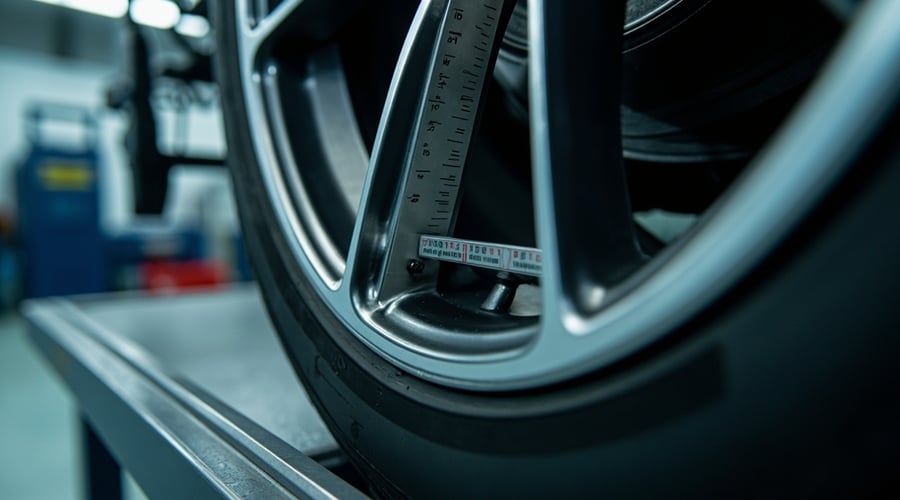
There's another category people often miss: belts, wiper blades, globes, batteries, brake rotors, interior trim wear. Most 3-month warranties explicitly exclude these, or only cover them if they fail completely within a very short window — not gradual deterioration. That's not dealers being difficult. It's the basic logic of buying a used item: you're buying the car as it exists at the point of sale, not purchasing a guarantee that every wearing part gets replaced as new over the next three months.
Three Questions Worth Answering Properly
If the engine fails, is it always covered?
It depends.
The car has a proper service history. Oil and coolant levels are normal. You're on the motorway when the water pump seizes, the temperature climbs, and the head gasket goes. That's a sudden mechanical failure in the engine system that wasn't caused by anything you did wrong. A warranty claim here would generally hold.
Different story: the oil warning light came on and you kept driving another three hundred kilometres before pulling over. Engine seizes. That's not a sudden failure — that's the downstream consequence of ignoring a warning. Most warranty terms are explicit on this: damage caused by continuing to drive after a warning light, or by failing to take reasonable steps to prevent further damage, falls outside coverage.
So "engine" isn't a magic word that unlocks a warranty claim. The more accurate framing: the specific component that failed during normal use, and any damage directly caused by that failure, is covered. Damage caused by owner neglect is not. Ask that question in exactly those terms before you sign — no dealer can dodge it.
Tyre wear — covered or not?
Not covered.
Tyres, brake pads, wiper blades, and batteries are wear items across the industry. Their lifespan depends on driving style, the roads you use, whether the previous owner was easy or hard on the car. There's no way for a dealer to underwrite how quickly you'll go through them once the car leaves the lot.
What you should actually be looking at is: what's the real remaining life on tyres and pads at handover? That's not a warranty conversation — it's a pre-purchase inspection conversation. If the tyres are marginal, negotiate a replacement into the deal or factor the cost into your offer. Calling the dealer three months later because the tyres have worn down is almost always going to be a dead end.
What about modifications — does the warranty still apply?
This is the question people ask least often and argue about most.
Short answer: the modification affects coverage in the system it touches.
Say you had the car tuned with a Stage 1 map shortly after pickup, and now you're getting boost pressure sensor faults and engine shudder. Claiming warranty on that is going to be difficult. The car's software and hardware have been altered; the fault sits in the exact system you changed. The dealer has no way to establish whether the issue existed before or came with the tune.
But say you changed the wheels and fitted an aftermarket exhaust, and separately, the sunroof motor stopped working and the window regulator failed. Those are unrelated systems. Provided you haven't touched any wiring near those components, a warranty claim would typically still stand.
Practical takeaway: hold off on major modifications for the first three months. If you're keen to modify, keep the original parts, and before you start, ask the sales contact directly — "will this affect the warranty on that system?" One sentence, and it'll save a lot of back-and-forth later.
Four Things to Ask Before You Sign
Rather than working through the fine print after something goes wrong, ask these four questions before the deposit changes hands. None of them are confrontational — they just bring the boundaries into the open.
First: Where is the 3-month warranty documented in writing?
Verbal promises don't hold up. NSW Fair Trading recommends all warranty commitments be recorded in the contract or a separate written document. If the salesperson hands you a business card and says "call me if anything comes up," that's a yellow flag.
Second: What's specifically excluded?
Ask the dealer to show you what the warranty doesn't cover. Reputable dealers will spell it out clearly: consumables, normal wear, driver misuse, post-accident repairs, flood damage, modifications, and repairs carried out by an unauthorised third party. If the answer is "basically everything's covered," start bracing for a very different conversation if something does go wrong.
Third: If something major fails, who decides where it gets fixed?
Is it the dealer's own workshop, or can you have it repaired locally and have the dealer cover the bill? A lot of disputes don't come down to whether a fault qualifies — they come down to the car breaking down near Burwood and the dealer insisting it gets towed back to their workshop. Sort this out upfront.
Fourth: If I run a PPSR check after the transfer and find an undisclosed finance encumbrance or write-off record, what's the process?
That's a disclosure issue, not a warranty issue — but worth raising. A dealer with nothing to hide will have already shown you the PPSR report before money changes hands. How they respond to the question tells you a lot about how they operate.

How We Handle the Three Months
Honestly, a clearly written warranty works better for everyone — dealer and buyer alike.
Every car we list goes through a full inspection in the M&F workshop before it goes up for sale. Tyre depth, brake pad thickness, underbody for leaks, a diagnostic scan for stored fault codes — all of it gets done and documented before handover. The goal is to deal with anything that needs dealing with before it becomes the new owner's problem. A warranty shouldn't be a backstop for poor car condition — it should be a second layer of confidence after the dealer has already done their job properly.
At handover, we walk you through the written warranty terms — what's in, what's out — rather than burying it in the back of a contract. If you want to see a sample of our warranty terms for a specific type of car before you come in, send us a message and we'll get it across to you.
A lot of the anxiety around used cars isn't really about the cars — it's about not knowing where the line is. Once the line is clear, you can actually relax and enjoy driving.