Used Honda Civic in Sydney — 10th Gen or 11th Gen: Which Year Is the Better Buy? A Workshop View
The price gap is real — but so is what that extra money buys you.

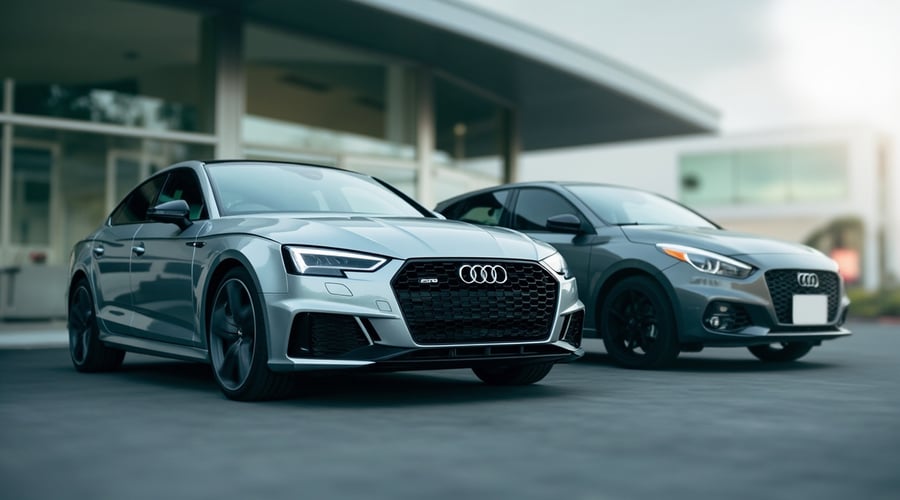
If you're shopping for a used Honda Civic in Sydney right now with somewhere between $20,000 and $32,000 to spend, you're going to keep running into the same choice: pick up a clean 10th-generation car for meaningfully less money, or stretch for an 11th-gen and take on more financial risk for a newer platform. Both options are genuinely good, and both have real catches. What follows is a comparison based on what we actually see when these cars come through the workshop — what breaks, what holds up, and what the Sydney used market is doing to their prices right now.
The short answer: for most buyers in that budget, a well-sorted 10th-gen is the smarter spend. But the 11th-gen is worth the stretch if you're buying to keep long-term and can absorb the higher entry price and the still-developing reliability picture. The rest of this piece is the reasoning.
What You're Actually Paying in Sydney Right Now
The 10th generation ran from the 2016 model year through to 2021 in Australia. The 11th generation arrived here from 2022. That gap matters for pricing because the 10th gen is fully depreciated and the 11th gen is not.
In the current Sydney used car market — and this can shift quickly — a clean, lower-kilometre 10th-gen Civic (think 2019–2021, under 60,000 km, RS or Sport trim) is sitting in the $20,000–$25,000 range from a dealer. Push into 2017–2018 with higher kilometres and you can find solid cars from $17,000 upward privately. The 11th gen, by contrast, is still largely above $28,000 for cars with reasonable kilometres — and the early Australian-delivered 2022 models are only starting to crack below $30,000 in volume. That's a real gap: you're looking at a $5,000–$8,000 difference for comparable kilometres, depending on trim.
What that gap buys you is the question.
The 10th Gen: What We Find When It Comes In
The 10th-generation Civic is a car we know well at this point. It's been through our workshop enough times that the fault patterns are predictable.
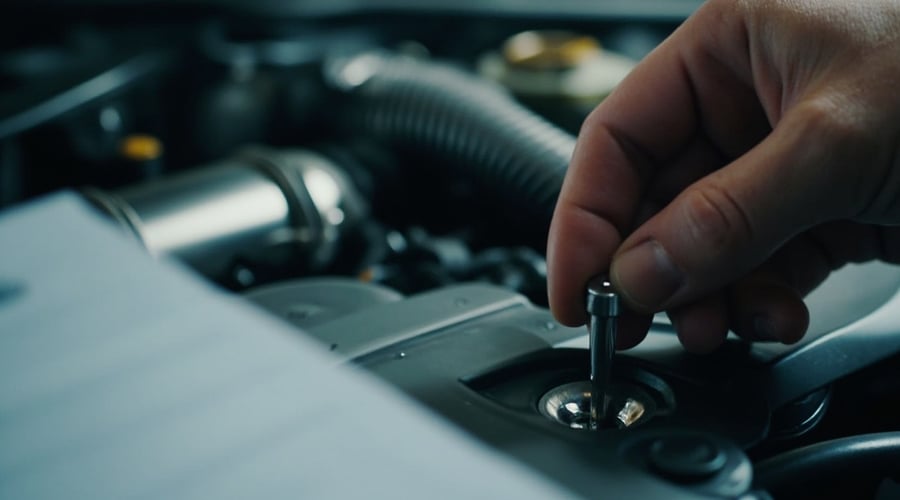
The 1.5-litre turbocharged engine — the one in the RS, the Sport and the earlier Si — has one well-known issue: oil dilution in cold climates. The engine's direct injection and short-trip driving patterns can allow fuel to enter the sump. Sydney's climate is warmer than, say, Melbourne or the Tablelands, which means this problem is less common here than in colder markets, but it hasn't disappeared entirely. If you're buying a 10th-gen with the turbo engine, pull the oil dipstick and smell it. A petroleum smell from the oil is a red flag. Short-trip city driving makes it worse.
The other thing we check on every 10th-gen that comes in is the CVT — where fitted — and the 6-speed manual for synchromesh wear. The CVT in the earlier Civics can be sluggish and occasionally jerky when cold; fluid changes at appropriate intervals matter a great deal here, and most private sellers haven't done them. We've received 10th-gen cars with the CVT fluid still factory-dark at 80,000 kilometres. That's not a reason to walk away, but it is a reason to price in a fluid service.
The platform's genuine strengths: the Honda Sensing suite is standard from 2018 onward on most Australian-spec trims, the body rigidity is excellent, and the interior holds up well. Rust, on cars that haven't been flood-affected, is almost never an issue at this age in Sydney's coastal but mild climate.
Resale trajectory on the 10th gen is now stable to modest decline. These cars aren't dropping off a cliff, but they're not going to recover value either. Buy one at $21,000 in good shape, drive it for three years, and you'll likely see something in the $14,000–$17,000 range at trade-in, depending on kilometres. That's normal used-car depreciation.
The 11th Gen: A Better Car on Paper, More Uncertainty in Practice
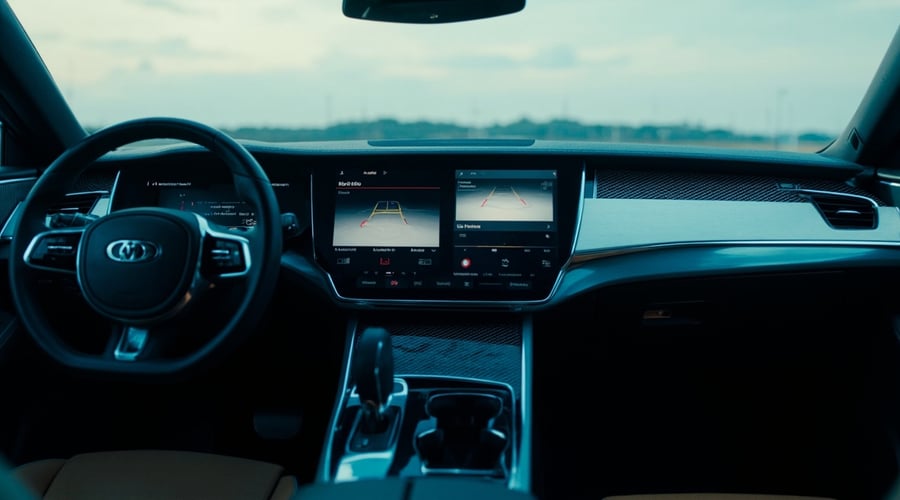
The 11th generation is, by most objective measures, a step forward. The interior is genuinely improved — the dual-screen setup replaced the polarising 10th-gen touchscreen arrangement, the materials are nicer, and the exterior styling has aged better in early market reception. The 1.5-litre turbo engine returns but with refinements that, on paper, address some of the cold-start oil dilution issues. Honda Sensing is updated and more capable.
What we don't have yet — and this is the honest part — is a clear long-run fault pattern on these cars in the Australian market at used-car age. The 11th gen is young. Most of the ones coming through Sydney's used market now have been in the country for two to three years. That means they're past the factory warranty but not yet into the mileage range where the real patterns show up.
What we have seen: the 11th-gen infotainment system has attracted complaints about connectivity freezes and occasional resets — not a mechanical concern, but irritating, and Honda's over-the-air update situation here is slower than in the US market. The electronically-controlled CVT in the 11th gen behaves better than in earlier generations, but it's still a CVT, which matters if you're buying for driver engagement. The e:HEV hybrid variant, which is now part of the Australian lineup, adds hybrid complexity that the independent workshop sector is still building knowledge on — if you're buying a 10th-gen RS you have no hybrid system to worry about.
The key trade-off with the 11th gen: you're buying a better car but you're also carrying more residual risk. At $28,000–$32,000, if a significant fault develops two years post-purchase, you're in a more uncomfortable position than you would be with a car you paid $20,000 for and have already extracted years of depreciation from.
That said — if you're buying to keep for five-plus years, the 11th gen's better interior, updated safety suite, and (likely) longer remaining life before major wear items hit makes it the rational long-term choice.
Specs That Actually Matter for Sydney Driving
One thing worth pulling apart: trim level differences between the generations, because they affect real-world daily value and not just spec-sheet bragging.
The 10th-gen RS — the one to target in that generation — came with the 1.5 turbo, wireless CarPlay from late updates, and Honda Sensing across the board. It's the sweet spot. The base VTi is less compelling because it's naturally aspirated (the 1.8-litre engine) and lacks some of the active safety tech, which matters for insurance categorisation and genuine safety on the M4 in the wet.
The 11th-gen RS-equivalent trims start with better baseline equipment and a more resolved centre console. If you're picking between a 2021 10th-gen RS and a 2022 11th-gen at a price gap of, say, $6,000 — and both have comparable kilometres — that gap is the question you have to answer for your own situation.
How to Check a Used Civic Before You Buy — the Steps That Matter
Regardless of generation, here's what to do before committing:
Pull a PPSR report on the VIN. You can do this yourself at ppsr.gov.au for around $2 per report. It tells you whether the car has outstanding finance registered against it, whether it's been written off, and whether it's been reported stolen. This is not optional. We run one on every car the day it comes in — it has flagged problems on cars that looked spotless on the outside.
Check Service NSW for registration status and basic history markers. service.nsw.gov.au lets you verify rego with a plate or VIN.
On a 10th-gen specifically: ask for the service history, check the CVT fluid colour (should be clear/light pink, not dark brown), and if the car has the 1.5 turbo, check the oil level and smell. A car with no service history isn't automatically a write-off, but price it accordingly.
On an 11th-gen: check whether the infotainment software is current, and if it's the e:HEV hybrid variant, ask whether the hybrid battery health has been checked — Honda's diagnostic tools can produce a state-of-health report.
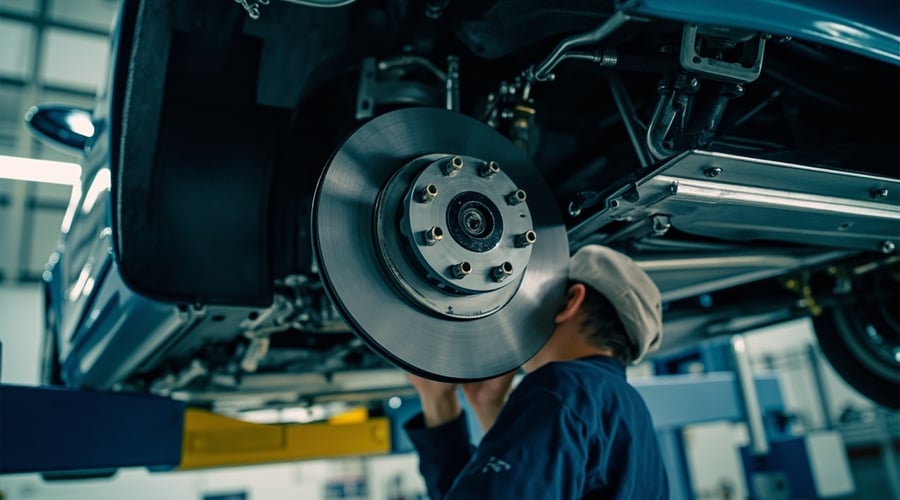
On both: look at tyre wear for evenness (uneven wear suggests suspension geometry issues or a previous alignment incident), check all four brake rotors for deep scoring, and look underneath the front and rear bumpers for paint transfer or scuffed plastic that's been touched up.
The Honest Verdict
The 10th gen is the better buy for value at this moment in the Sydney used market. It's a fully depreciated, well-understood platform with a fault pattern that workshops — including ours — can read fluently. A clean 2019–2021 RS with full history under 70,000 kilometres, priced around $21,000–$24,000, is close to the sweet spot of reliability, spec and resale stability.
The 11th gen makes sense if your timeline is five years or longer and you can absorb the higher entry price without stretching yourself. It is a better car in most objective respects — but "better car at higher price with less fault history" versus "proven car at lower price" is a real trade-off, not a marketing one.
One more honest note: neither of these cars is perfect. The 10th gen's CVT will need maintenance the original owner probably skipped. The 11th gen's infotainment frustrates people more than it should at the price point. And the 1.5 turbo across both generations is a good engine that genuinely needs regular oil changes — not stretched ones.
One Thing to Do Before You Move
Before you commit to any Civic — 10th or 11th gen — run the PPSR yourself at ppsr.gov.au. It takes five minutes and about $2. You're looking for finance encumbrances (money still owed on the car, which can transfer to you as buyer), written-off status, and stolen markers. Most private sellers with nothing to hide are fine with you running it. If a seller objects to you checking the VIN, that's the only information you need.
If you're comparing two specific cars and want a second set of eyes on the inspection, bring it in. We're on Parramatta Road in Concord, and a pre-purchase inspection is something we do — with the car on the hoist, not just a walk-around in a car park. Message us through the page and we can let you know availability.