Used Subaru Forester & Outback in Sydney: The Oil Consumption Question, and What to Actually Check Before You Buy
Not every used Subaru burns oil — but you need to know exactly where to look before you hand over the money.
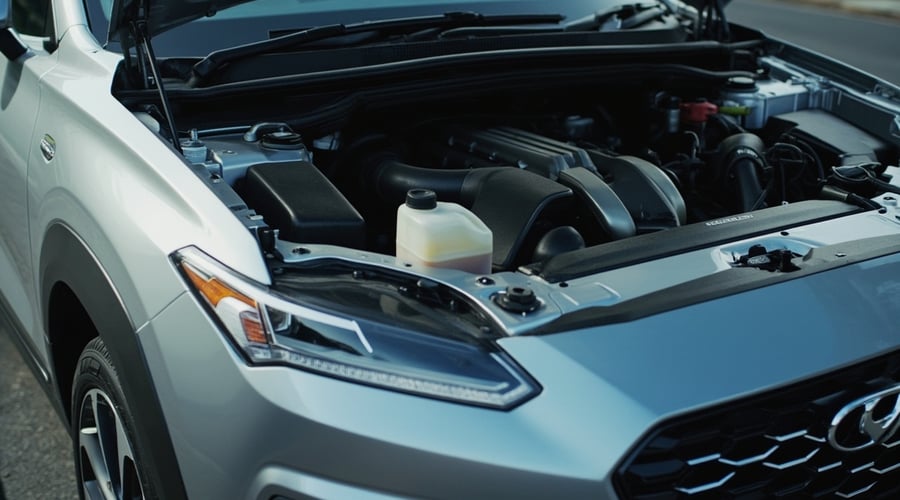
Ask a Chinese-Australian buyer about a used Subaru and the question is almost never "how's the boot space?" It's usually: "I heard these engines burn oil — is that actually true?"
Fair concern. Subarus are everywhere in Sydney — the inner west, the north shore, the hills, school pick-up lines, weekend runs to the national parks. And the appeal makes sense: symmetrical AWD, a high seating position, a practical cargo hold, and prices that regularly undercut comparable RAV4s and CX-5s of the same year. At some point, a lot of students, new arrivals, and growing families end up with a Forester or Outback on their shortlist.
The boxer engine does have a real history though — and it's not the same story across every generation. So rather than dance around it: here's a straight breakdown of the EJ and FA/FB eras, what the oil consumption issue actually involves, and the specific checks you need to run before handing over money in Sydney.
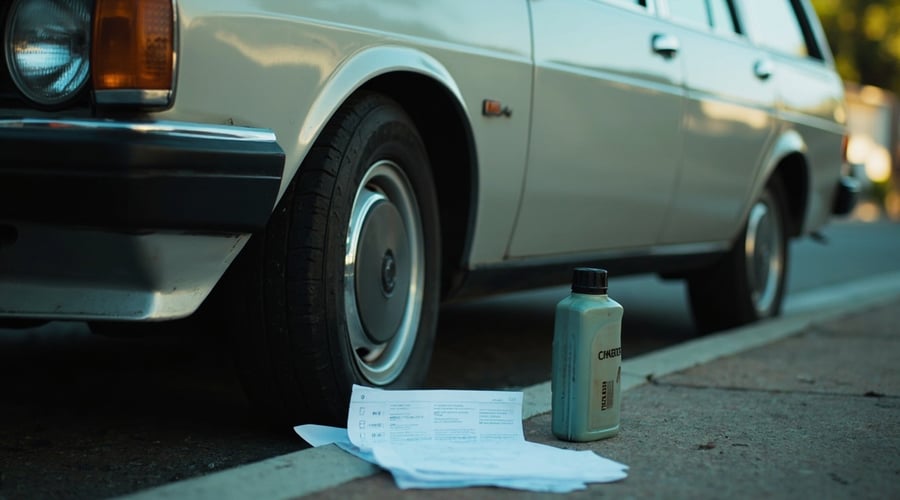
The short version up front: not all used Subarus burn oil, and burning a small amount doesn't mean the car is about to die. The real risk is the slow, invisible kind — where the previous owner genuinely had no idea, and you find out three months in that you're topping up a litre every 2,000 km. A test drive won't catch that. You catch it by knowing which engine generation you're dealing with, reading the service history carefully, watching the cold start, and checking the right spots under the bonnet.
Which Era Deserves the Most Scrutiny
The used Foresters and Outbacks on the Sydney market right now mostly fall into two engine families:
EJ-series engines: broadly pre-2013. These are mature, well-understood powerplants — every independent shop in Sydney has worked on them, and parts are easy to source. But certain variants do have a documented oil consumption history. The EJ253 and EJ251 2.5-litre naturals are the ones most commonly flagged. Over time, worn piston rings, ageing valve stem seals, and cylinder wall wear all add up. It doesn't happen overnight — it creeps in gradually over the years.
FA/FB-series engines: phased in from around 2013. The FB25 2.5-litre and the FA20 sit in this camp. Newer doesn't mean spotless — the FB25 drew early owner complaints about faster-than-expected oil consumption, and Subaru ran piston ring replacement programmes in certain markets in response. On balance, the FA/FB generation is more stable than late-era EJ, but it's still a verify-don't-assume situation.
The simplest rule of thumb: treat any pre-2013 EJ 2.5 naturally aspirated engine as "possibly burning oil until proven otherwise." For post-2013 FA/FB cars, the risk drops — but don't skip the checks.
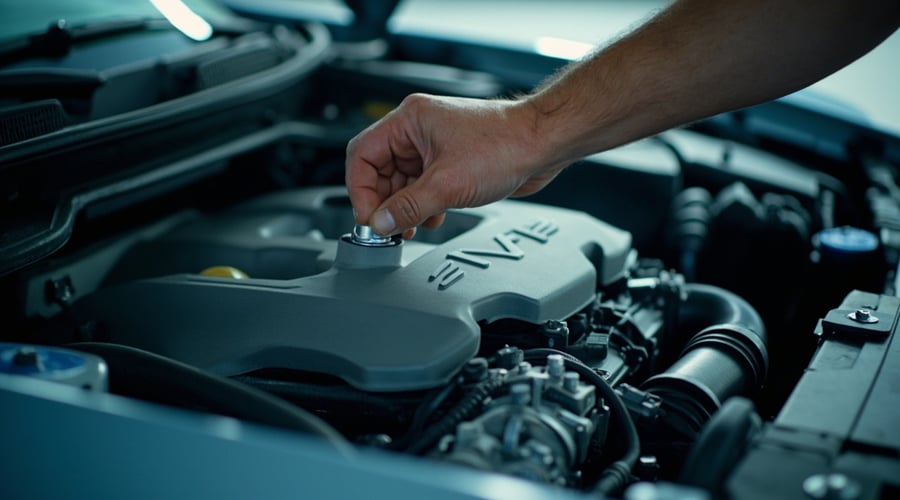
Oil Consumption Isn't a Mystery — It Shows Up in Specific Places
An experienced mechanic doesn't just glance at the odometer or take the seller's word for it. Here's what they actually look at:
Cold-start smoke — but only the first few seconds
When a cold engine fires up on a cool Sydney morning, a brief puff of blue smoke from the exhaust that clears within a few seconds is a classic tell: ageing valve stem seals, or oil that's settled into the combustion chamber while the car sat overnight. Most private sellers won't let you leave the car and come back — but you can ask to see the cold start before the engine's been touched that morning.
Blue, not white. White smoke on a cold winter morning is mostly water vapour. Blue smoke has a distinct smell — sharp, slightly acrid. You'll know the difference once you've smelled it.
Inside the exhaust tip — not whether it's dirty, but whether it's oily
After the engine has warmed up, shine a torch into the exhaust pipe. A dry, sooty black residue is normal. What you're looking for is a sticky, greasy coating on the inner wall — the residue of long-term oil burning. One caveat: if the car's just been washed, there may be water inside. External moisture is clear. An oily film tends to be dark, tacky, and grime-coated.
The dipstick — not the colour, the level
Sellers sometimes do a fresh oil change before listing, especially if they've noticed consumption creeping up. Don't let a clean oil colour tell the whole story.
The right sequence: let the engine sit for five minutes after shutting off. Pull the dipstick, wipe it clean, reinsert fully, pull again. Check the level between the two marks. Then look at the tip — heavy carbonisation, sludge, or a milky emulsion are all separate concerns worth flagging.
One more thing: some sellers overfill to make the car look well-maintained. Boxer engines are actually sensitive to overfilling, so if the level is sitting noticeably above the upper mark, ask about it.
Under the engine — around the sump and cam covers
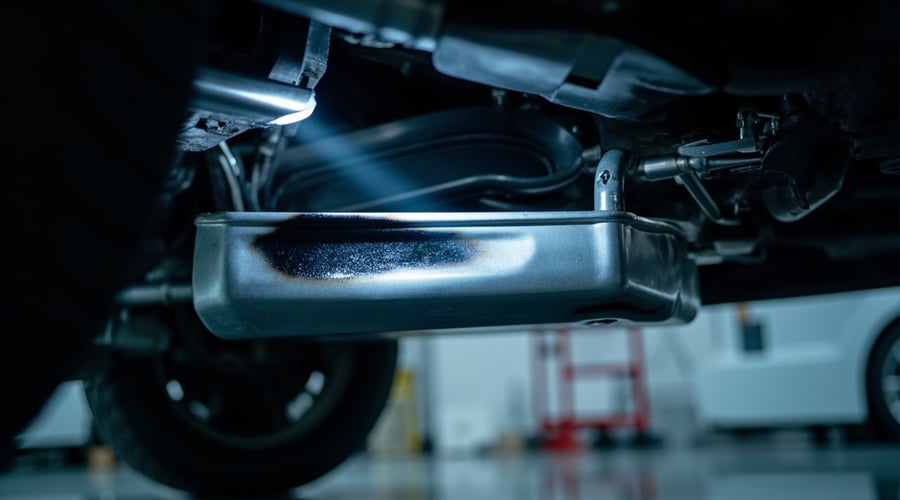
This one isn't about burning oil; it's about leaks. Subaru's horizontally-opposed layout is prone to seepage around the timing cover, rocker covers, and sump gasket as the car ages. Leaks don't automatically mean the car is ruined, but persistent oily seepage tells you the previous owner wasn't on top of maintenance.
Get a torch on the underside from the side. Fresh oil looks wet and reflects light. Old seepage collects dust and turns into a thick, dark brown crust around the seams. If the engine bay was recently steam-cleaned, everything will look wet — but that wetness is clear. Oily residue has a different texture entirely. Look at the material, not just the moisture.
The Right Order to Do This in Sydney
Most buyers look at the exterior first, then test drive, then talk price. For a used Subaru, flip that — get a clear picture of the engine before you get attached to how it drives.
Here's a practical sequence you can run yourself:
Step one: pin down the exact engine code. "2.5 AWD" isn't enough. Ask the seller for the VIN or the engine code — you'll find it on the firewall sticker, the driver's door jamb, or in the owner's manual. EJ versus FB versus FA matters enormously here.
Step two: check the recall and service bulletin status. Go to the Subaru Australia website and enter the VIN to check for active recalls. You can also call any local Subaru dealer and ask whether there are outstanding service campaigns or oil consumption-related bulletins against that VIN. A lot of dealers along Parramatta Road won't volunteer this — but it's publicly available information and you have every right to ask.
Step three: write down the numbers. When you're at the car, note:
- Current total odometer reading
- Date and mileage of the most recent service
- Last oil change mileage
- Whether the service book has a consistent run of stamps — or a gap somewhere
- Tyre manufacture date and wear level
If a Forester shows 120,000 km but the tyres are from 2017 and nearly worn out, and the brake discs look suspiciously fresh — something in that car's history wasn't looked after. Tyres, brakes, and oil intervals that don't add up are a prompt to dig deeper.
Step four: cold start, then push the revs. For the test drive, don't just cruise around the block. Find a stretch on Parramatta Road or run it up toward the M4 and hold the revs between 2,800 and 3,500 rpm for a bit, then lift off. Check the mirrors for blue smoke, watch for the oil pressure light, and notice whether there's a burnt-oil smell coming through the vents.
If the seller won't let you do a cold start, or won't let you rev past around 2,000 rpm, that's your answer. Used Subarus aren't scarce in Sydney — there's always another one.
So Does Some Oil Consumption Mean Walk Away?
Not necessarily.
Honestly: a high-mileage EJ 2.5 with 140,000 km on it will almost certainly have some sealing wear. The question is how much, and whether it's manageable. A car with complete records, a clean cold start, and verified consumption of around 200 ml per 5,000 km isn't automatically a bad buy — Subaru's own documentation acknowledges a range of "acceptable" consumption. The actual red flags are blue smoke on cold start, more than half a litre per 2,000 km, sticky residue inside the exhaust pipe, and active drips from the sump.
The right frame isn't "heard it might burn oil, therefore avoid all Subarus." It's: treat oil consumption as a bounded, knowable risk — get a clear picture of where this particular car sits, then decide. The boxer layout brings real advantages in handling balance and AWD stability. The trade-off is that oil management demands more attention, especially on older examples. That's the honest version.
What We Actually Do When a Forester or Outback Comes In
When one of these arrives at our Concord workshop, the first move isn't to wash it and take photos. It's to run the VIN through NSW Transport for vehicle history, check active recalls and service bulletins, and put it through the workshop. Our technicians run a dedicated cold-start check on every Subaru, inspect for oil consumption indicators, pull the underbody guards to examine the sump and timing cover, and log "oil consumption risk" as a separate line item on the pre-listing inspection sheet.
That doesn't guarantee a used Subaru will never use a drop of oil going forward — that'd be an empty promise. What it does mean is that by the time a car hits our floor, someone has already looked at exactly the spots that most buyers miss on their own.
If you're after a Forester or Outback, or you've found one privately and want a second set of eyes on the engine, come find us on Parramatta Road in Concord. We can't promise we'll have exactly what you're after at any given moment, but we can work through it with you — or tell you honestly whether a specific car is worth pursuing.
One last thing: don't let "boxer engines burn oil" put you off Subaru entirely. Know what to look for, look in the right places, and it stops being a mystery.